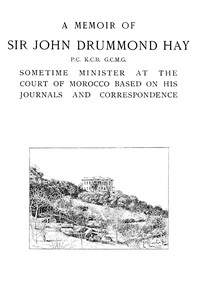
A memoir of Sir John Drummond Hay, P.C., K.C.B., G.C.M.G., sometime minister at the court of Morocco Book Summary
Key Lessons from "A Memoir of Sir John Drummond Hay"
The memoir offers valuable insights into the practice of diplomacy and cultural navigation, lessons that remain relevant despite the changing geopolitical landscape:
1. The Importance of Cultural Understanding and Adaptation: Hay emphasizes the necessity of understanding local customs, social norms, and the perspectives of the people he was serving alongside. He learned that effective diplomacy requires more than just knowledge of protocols; it demands genuine respect for the culture and the ability to adapt one's own expectations. This isn't about abandoning one's own country's values, but about appreciating the context in which diplomacy must operate.
2. Navigating Complexity and Ambiguity: Morocco, during Hay's time, was a complex society with its own power structures, traditions, and a ruler (the Sultan) often acting independently of European influence. The memoir illustrates the difficulty of dealing with ambiguity and the need for diplomats to be perceptive observers, able to discern the true intentions behind words and actions, and to anticipate the potential consequences of their own decisions in a volatile environment.
3. The Balance Between Protocol and Principle: While Hay adheres to the formal protocols of his diplomatic role, the book subtly explores the tension between following established procedures and adhering to one's own principles or the perceived best interests of one's own country. He often finds himself mediating between British policy directives and the realities on the ground in Morocco, highlighting the nuanced choices diplomats must make.
4. The Human Element in Diplomacy: Beyond the formalities, Hay shares anecdotes about the people he encountered – from local officials and scholars to the Sultan and other European envoys. This human dimension underscores that diplomacy is ultimately about relationships, patience, and building trust (or at least managing mistrust) with individuals, even amidst larger geopolitical forces.
These lessons highlight the memoir as a valuable study in the personal skills and mindset required for a successful diplomatic career in culturally distinct environments.
Is This Book Fit for You?
- If you are interested in the history of international relations, particularly the pre-colonial or early colonial period of North Africa and the role of European powers.
- If you enjoy memoirs and personal histories that offer insights into a specific time and place through an individual's perspective.
- If you are curious about the daily life, customs, and political atmosphere of Morocco at the start of the 20th century.
- If you want to understand the practical challenges and personal experiences of being a diplomat in a non-Western country during a period of significant global change.
- If you appreciate historical accounts that blend personal narrative with broader geopolitical context.
Yes, the lessons and insights from this memoir still hold relevance today, albeit in a different context:
The challenges of cross-cultural communication, understanding local dynamics, and navigating complex international relationships remain central to modern diplomacy, development work, and international business. While the specific geopolitical tensions involving Morocco and European powers may have changed, the fundamental difficulties of bridging cultural divides and managing relationships in unfamiliar environments are timeless. The memoir offers a historical baseline for understanding how diplomatic approaches have evolved and the enduring importance of personal character and adaptability in international affairs.
| Reading on Gutenburg | Free reading |
| Get Paperback Version on Amazon | Buy a book |
| Suggest Book : The Diplomat: Three Centuries of Statecraft Book | Get on Amazon |