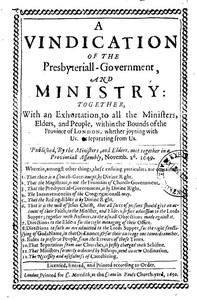
A Vindication of the Presbyteriall-Government and Ministry Book Summary
Introduction to a Foundational Text
This summary explores 'A Vindication of the Presbyteriall-Government and Ministry' by Samuel Miller, a significant work from the 18th century defending the Presbyterian system of church governance. Written during a period of intense religious debate in Britain, the book passionately argues for the validity and superiority of the presbyterian model over alternatives like episcopacy (bishop-led hierarchy). It remains an important piece for understanding the history and rationale behind Presbyterianism.
Defending Presbyterianism
Samuel Miller's 'A Vindication of the Presbyteriall-Government and Ministry' is a defense of the Presbyterian form of church government. In the 18th century, Presbyterianism faced criticism and pressure, particularly from supporters of the established Episcopalian Church in Britain. The book argues for the biblical basis and practical effectiveness of governance through elected elders (presbyters) organized into hierarchical courts: the Session (local parish), the Presbytery (regional), and the Synod or General Assembly (national level). Miller contends that this structure provides proper representation, checks on power, and fosters discipline and mutual accountability within the church community.
Key Lessons from 'A Vindication'
The Biblical Basis of Presbyters: Miller argues that the term 'presbyter' (meaning elder) is derived from New Testament descriptions of church leaders, primarily the apostles and elders mentioned in Acts. He maintains that this structure reflects the pattern set by Christ and the early Church, where leadership was shared and based on maturity and service, rather than being confined to a single bishop or pope.
Hierarchical Representation: A central theme is the idea of representation within the church hierarchy. Just as representatives are needed in civil government to govern large populations, Miller argues that the Presbytery and Synod, composed of elected elders, are necessary bodies to handle broader matters like ordination, discipline, doctrinal controversies, and overseeing multiple local churches (sessions). This structure, he suggests, prevents tyranny by ensuring decisions are made by a council rather than an individual.
Accountability and Oversight: The book emphasizes how the presbyterian system fosters accountability. Elders in a local session are accountable to the presbytery, which itself is accountable to the general assembly. This multi-layered structure, Miller claims, provides a system of checks and balances, ensuring that no single minister or congregation operates unchecked and promotes sound doctrine and church discipline.
Defense Against Criticism: Miller directly addresses criticisms of Presbyterianism, particularly its perceived rigidity and lack of apostolic succession compared to episcopacy. He argues that the mode of church government is a secondary issue to the core doctrines of the Christian faith and that the presbyterian system effectively serves the needs of the church in promoting order, teaching, and discipline.
Is This Book Fit for You?
This book is particularly suitable for:
- Individuals interested in the history of Christianity, especially the development of Protestantism and Presbyterianism.
- Those seeking to understand the rationale behind different models of church governance (Presbyterian vs. Episcopalian vs. Congregationalist).
- Students of theology or religious studies needing primary source material on 18th-century Presbyterian thought.
- Members of Presbyterian churches looking to deepen their understanding of their own governance structure's historical roots.
- Readers interested in arguments for religious authority and leadership models within faith communities.
Does It Still Matter Today?
Yes, Samuel Miller's 'A Vindication' still matters, primarily for historical and theological reasons:
Historical Context and Understanding: It offers invaluable primary source insight into the arguments and concerns that shaped Presbyterianism during a critical period of religious reformation and establishment in Britain. Understanding these historical arguments helps contemporary believers appreciate the foundations of their faith and governance structures.
Defense of Representative Systems: The arguments regarding representation, accountability, and checks against individual power within a hierarchical structure remain relevant beyond just church governance. They touch upon broader themes of leadership, democracy, and institutional structure that are pertinent in various modern organizations and debates about authority.
The Ongoing Debate: While the specific debate between presbyterian and episcopalian models is less central in some regions today, the fundamental questions about how religious communities should be led and governed continue. Miller's work provides a classic articulation of one perspective in this ongoing conversation.
| Reading on Gutenburg | Free reading |
| Get Paperback Version on Amazon | Buy a book |
| Suggest Book : The Presbyterian Way: A Guide to Understanding Presbyterianism Book | Get on Amazon |
Conclusion
Samuel Miller's 'A Vindication of the Presbyteriall-Government and Ministry' stands as a significant piece of 18th-century Christian literature. It provides a robust defense of the Presbyterian system, grounding it in biblical precedent and emphasizing its benefits of representation, accountability, and shared leadership. While its specific historical context is unique, the arguments about church governance and leadership structures it presents continue to offer valuable insights for historians, theologians, and anyone interested in the inner workings and authority dynamics of religious institutions. Understanding such foundational texts enriches our appreciation of religious diversity and the enduring questions about how best to organize faith communities.