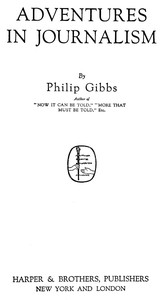
Adventures in Journalism Book Summary
Adventures in Journalism, compiled by James Melvin Lee and published in 1923, is a fascinating collection of first-hand accounts from some of the most renowned journalists of the early 20th century. It’s less a single narrative and more a mosaic of experiences, offering a glimpse into the gritty, often dangerous, and always compelling world of news gathering during a period of immense social and political change.
This book isn't about journalistic *theory*; it’s about journalistic *practice*. It details the real-life adventures and challenges faced by reporters and correspondents as they chased stories across the globe. From exposing corruption and covering wars to interviewing prominent figures and navigating hostile environments, the book presents a series of compelling narratives illustrating the dedication, resourcefulness, and sometimes, sheer luck, involved in bringing news to the public. The accounts cover a wide range of topics, including the Mexican Revolution, the Balkan Wars, the aftermath of World War I, and the everyday struggles of reporting in America during a time of rapid industrialization and social upheaval. It showcases the courage and determination of those who risked their lives to inform the world.
One of the most striking lessons from Adventures in Journalism is the importance of being present. These weren’t journalists filing reports from comfortable offices; they were embedded in the events themselves, often at great personal risk. For example, Lincoln Steffens’ account of investigating municipal corruption vividly illustrates how physically being in the city, walking the streets, and talking to people – including those involved in illicit activities – was crucial to uncovering the truth. He didn’t rely on press releases or official statements; he built his understanding from the ground up. This concept of immersive reporting, while not new, is powerfully demonstrated throughout the book.
The book also highlights the ethical complexities inherent in journalism. Several stories touch upon the tension between a reporter’s duty to inform and the potential consequences of their reporting. John Reed’s experiences covering the Mexican Revolution demonstrate this acutely. He was deeply sympathetic to the revolutionary cause, and his reporting reflected that, raising questions about objectivity. While modern journalism emphasizes impartiality, Reed’s willingness to engage with the human side of the conflict and tell the story from a particular perspective offers a valuable, if controversial, lesson in narrative power and the impossibility of truly neutral observation. The contributors grapple with questions of fairness, accuracy, and the impact of their words on the individuals and societies they covered.
Furthermore, Adventures in Journalism emphasizes the enduring value of human connection and source development. Many successful investigations hinged on building trust with informants, often individuals who were themselves vulnerable or involved in questionable activities. The stories reveal the painstaking process of cultivating relationships, verifying information, and protecting sources. This is particularly evident in the accounts of war correspondence, where reporters relied heavily on local contacts to navigate dangerous situations and gain access to crucial information. The book underscores that journalism isn’t just about asking questions; it’s about listening, understanding, and building rapport with the people whose stories matter.
Finally, the book demonstrates the sheer resilience and adaptability required of a journalist. Whether facing censorship, imprisonment, or the threat of violence, these reporters found ways to continue their work. They were resourceful in overcoming obstacles, utilizing whatever means necessary – from disguises and coded messages to sheer determination – to get the story. This spirit of perseverance is a recurring theme, reminding us that good journalism often demands courage, ingenuity, and a willingness to go the extra mile.
This book is perfect for:
- Aspiring Journalists: Provides a historical perspective on the profession, showcasing the challenges and rewards of news gathering.
- History Buffs: Offers unique insights into major historical events of the early 20th century through the eyes of those who witnessed them.
- Readers Interested in Narrative Non-Fiction: The book is filled with compelling, well-written stories that read like adventure novels.
- Anyone Curious about the Evolution of Journalism: Illustrates how the profession has changed over time, while also highlighting enduring principles.
Absolutely. While the tools and technologies of journalism have evolved dramatically, the core principles – the pursuit of truth, the importance of ethical considerations, the need for strong sourcing, and the courage to report from challenging environments – remain as relevant as ever. In an era of “fake news” and increasing distrust in the media, the lessons from Adventures in Journalism serve as a powerful reminder of the importance of responsible and dedicated reporting.
However, the context has shifted. To understand the *current* pressures and ethical dilemmas facing journalists, and the impact of social media and digital platforms, a more contemporary analysis is needed.
| Reading on Gutenburg | Free reading |
| Get Paperback Version on Amazon | Buy a book |
| Suggest Book : Bad Blood: Secrets and Lies in a Silicon Valley Startup Book | Get on Amazon |
Adventures in Journalism is a captivating and insightful look into a bygone era of reporting. It’s a testament to the bravery, resourcefulness, and dedication of the journalists who shaped our understanding of the world. While rooted in the past, its lessons continue to resonate today, reminding us of the vital role journalism plays in a democratic society.