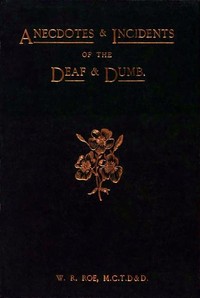
Anecdotes & Incidents of the Deaf and Dumb Book Summary
Introduction
"Anecdotes & Incidents of the Deaf and Dumb" is a collection of narratives and observations compiled in the late 19th century. Authored by someone likely involved in the education or care of deaf individuals, the book serves as a historical snapshot of attitudes, treatments, and experiences surrounding deafness and mutism during that period. It moves beyond simple descriptions to offer specific, often detailed, accounts that humanize the people affected by these conditions, reflecting the societal understanding and challenges of the time.
What is this book about?
The book compiles a series of stories, anecdotes, and incidents related to individuals who were deaf and/or mute. It covers a range of topics, including their communication methods (or lack thereof), their intellectual capabilities, their interactions with society, their education, the challenges they faced, and sometimes, remarkable achievements. The tone is observational, presenting these stories as factual accounts of people the author encountered or was aware of. It provides valuable historical insight into the lives of deaf individuals before the widespread establishment of formal Deaf education and community recognition in the late 19th and early 20th centuries.
Key Lessons
While reflecting a specific historical perspective, the book offers several enduring insights:
Firstly, it demonstrates the importance of observation and empathy. The author meticulously records details about the individuals' lives, suggesting a level of careful attention that was perhaps not always present in contemporary attitudes. For example, anecdotes might detail how an individual's environment or specific circumstances influenced their behavior or development, highlighting the need to look beyond stereotypes.
Secondly, the book implicitly challenges some prevalent misconceptions of the era. While the author might reflect contemporary beliefs, the detailed portrayal serves to humanize the subjects, presenting them as complex individuals rather than simply objects of pity or curiosity. Stories of deaf individuals engaging in intellectual pursuits or demonstrating practical skills subtly contradict the notion that deafness equates to intellectual deficiency.
Thirdly, it sheds light on the communication methods and social integration (or lack thereof) of the time. Accounts of sign language use (which was debated), lip reading attempts, and the reliance on interpreters or written communication provide a window into the limited resources available. The book often highlights the isolation and misunderstandings faced by deaf individuals within a hearing-centric society, underscoring the communication barriers that existed.
Finally, the collection serves as a record of resilience. Many anecdotes, even those focusing on difficulties, implicitly or explicitly show individuals navigating their world despite significant challenges. This offers a perspective on human adaptability and perseverance in the face of societal and physical limitations.
Is this book fit for me?
This book is particularly suitable for:
- Individuals interested in the history of disability, especially the history of deafness.
- Students of history, sociology, or anthropology seeking primary source material on past attitudes towards disability.
- Those researching the development of Deaf culture, education, and rights.
- People looking for humanizing stories from a specific historical period.
- Teachers seeking historical context for discussing deafness and disability issues today.
It may be less relevant for readers seeking contemporary perspectives or detailed information about modern Deaf culture and technology.
Does it still matter today?
Yes, it absolutely still matters today. "Anecdotes & Incidents of the Deaf and Dumb" provides invaluable historical context. It helps us understand the evolution of attitudes towards deafness, from viewing it primarily through a medical lens of deficiency and lack to gradually recognizing sign language, Deaf culture, and the rights of Deaf individuals. The book documents the struggles and adaptations faced by deaf people in a predominantly hearing world, struggles that, while perhaps different in form, still echo contemporary issues of accessibility, communication barriers, and societal inclusion for people with disabilities. Understanding this history enriches our perspective on current debates and practices regarding disability rights and inclusion.
| Reading on Gutenburg | Free reading |
| Get Paperback Version on Amazon | Buy a book |
| Suggest Book : The Silent Ones: Deaf Culture in America Book | Get on Amazon |
Conclusion
"Anecdotes & Incidents of the Deaf and Dumb" offers a fascinating, albeit dated, glimpse into the lives of deaf individuals in the past. While its perspective is shaped by the limitations and assumptions of its time, its collection of specific stories provides profound historical value. It compels readers to reflect on how far society has come in understanding and accommodating deafness, while also reminding us of the ongoing importance of empathy, accurate representation, and advocacy for the Deaf community. It stands as a testament to the enduring human spirit navigating complex social landscapes, making it a resourceful read for anyone interested in disability history or human experience.