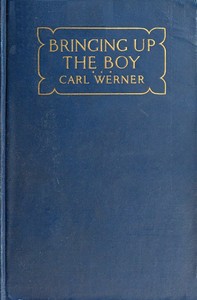
Bringing up the Boy A Message to Fathers and Mothers from a Boy of Yesterday Concerning the Men of To-morrow Book Summary
A Satirical Warning
Published in 1927, 'Bringing Up the Boy' is a foundational text often credited with sparking significant debate about masculinity in the 20th century. Lynd, writing from a distinctly old-fashioned perspective, uses a satirical tone to critique what he sees as the failures of modern society in raising boys. He argues that contemporary educational and social trends, combined with parental indifference to traditional manliness, are producing young men who are weak, lacking in courage, initiative, and moral fiber.
The narrative voice is that of a fictional 'Boy of Yesterday', recounting his experiences and contrasting them sharply with the failures he observes in the present generation of young men ('Men of Tomorrow'). Through anecdotes and observations, the book paints a grim picture of a society where physical weakness, emotional fragility, and a lack of practical skills are becoming normalized.
Key Lessons and Themes
**The Crisis of Masculinity:** The central theme is Lynd's alarm at the perceived dilution of traditional masculine qualities. He bemoans the decline in physical prowess, courage (both physical and moral), practical competence, and stoic endurance. He sees these traits as essential for navigating life's challenges and contributing positively to society.
**The Neglect of Character and Manliness:** Lynd argues that parents and educators have shifted focus towards academic knowledge and social graces at the expense of building character and manliness. He believes boys should be encouraged to face hardship, develop resilience, master practical skills, and understand their duty and responsibility, both to themselves and others.
**Critique of Modern Trends:** The book critiques several modern phenomena he attributes to the decline: the devaluation of manual labor and outdoor activities, the medicalization and overprotection of children, the emphasis on comfort and ease over challenge and struggle, and the perceived weakening of societal discipline and standards.
**The Role of the Father:** Lynd places significant emphasis on the father's role in instilling traditional values and providing masculine guidance. He sees the father figure as crucial in teaching strength, responsibility, and navigating the complexities of adult masculinity.
**A Call for Action:** Ultimately, the book serves as a call to parents and educators to re-evaluate their priorities. It urges them to actively foster the qualities Lynd deems essential for manhood, recognizing that failing to do so has profound implications for the future of society.
Is This Book Fit For You?
* **History of Ideas/Masculinity Studies:** If you are interested in the historical development of gender roles, particularly regarding conceptions of masculinity in the early 20th century, this book is essential reading.
* **Parents/Guides on Raising Boys:** Parents or educators looking for foundational arguments about character building, toughness, and the perceived importance of traditional masculine virtues in child-rearing might find its ideas provocative, even if dated.
* **Those Interested in Social Change:** Readers interested in how specific books contributed to broader social debates about gender, education, and societal values during the 20th century.
* **Fans of Satirical Literature:** The book's sharp critique and narrative voice offer a satirical commentary on societal trends.
* **Warning:** Be prepared for potentially outdated or controversial views on gender, parenting, and education. The perspective is strongly shaped by its time and its author's specific biases.
Yes, Robert Lynd's book absolutely still matters today, though its core arguments and specific examples are undoubtedly dated. The fundamental questions it raises about how societies define and teach masculinity remain profoundly relevant.
Lynd's book initiated a conversation about the perceived crisis of masculinity that continues in various forms. While the specific anxieties and societal structures he critiqued (like the rise of the welfare state or certain educational trends) have changed, the underlying concerns about:
- Defining positive masculine roles and virtues
- The impact of social and educational shifts on boys' development
- The tension between traditional values and modern sensibilities
- The consequences of perceived declines in certain character traits (like resilience or responsibility)
Lynd's work is still cited and debated in discussions about toxic masculinity, the importance of fatherhood, education reform, and the evolving definition of manhood in contemporary society. It serves as a historical touchstone for understanding how anxieties about masculinity have been articulated and contested over time.
| Reading on Gutenburg | Free reading |
| Get Paperback Version on Amazon | Buy a book |
| Suggest Book : What We Talk About When We Talk About Fatherhood: A Cultural History Book | Get on Amazon |