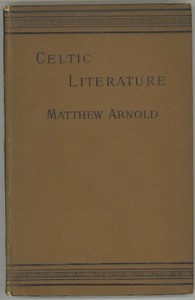
Celtic Literature Book Summary
Introduction
"Celtic Literature" by Matthew Arnold is a collection of lectures that explores the unique characteristics and historical significance of Celtic literature. Arnold, a renowned 19th-century poet and critic, delves into the themes, styles, and cultural contexts of Celtic literary works, offering insights into their enduring influence.
What is this book about?
"Celtic Literature" examines the literary traditions of the Celtic people, focusing on their poetry, mythology, and historical narratives. Arnold discusses the distinctive features of Celtic literature, such as its emotional depth, imaginative power, and connection to nature. He also explores the impact of Celtic literature on English and European literary traditions, emphasizing its role in enriching the broader cultural landscape.
- Lesson 1: The Emotional Depth of Celtic Literature
Arnold highlights the profound emotional intensity found in Celtic literature. He notes that Celtic poets often express deep feelings of melancholy, longing, and a sense of the supernatural. For example, the Welsh poem "The Gododdin" is filled with expressions of sorrow and heroism, reflecting the tragic beauty of Celtic narratives. - Lesson 2: The Influence of Nature
Celtic literature is deeply connected to the natural world. Arnold points out that Celtic poets frequently use vivid descriptions of landscapes, seasons, and natural phenomena to convey their themes. This connection to nature is evident in the Irish epic "Táin Bó Cúailnge," where the environment plays a crucial role in the unfolding of the story. - Lesson 3: The Role of Mythology and Legend
Arnold emphasizes the importance of mythology and legend in Celtic literature. He discusses how these stories often serve as a means of preserving cultural identity and transmitting values across generations. The tales of King Arthur and the Knights of the Round Table, for instance, have their roots in Celtic mythology and have had a lasting impact on Western literature. - Lesson 4: The Impact on English Literature
Arnold argues that Celtic literature has significantly influenced English literary traditions. He cites the works of poets like William Wordsworth and Alfred Lord Tennyson, who drew inspiration from Celtic themes and motifs. This cross-cultural exchange enriched the English literary canon and contributed to its diversity.
Is this book fit for me?
If you are interested in the following, this book is for you:
- Exploring the emotional and imaginative aspects of Celtic literature.
- Understanding the role of nature and mythology in Celtic storytelling.
- Discovering the influence of Celtic literature on English and European literary traditions.
- Appreciating the cultural and historical contexts of Celtic literary works.
Does it still matter today?
Yes, "Celtic Literature" by Matthew Arnold remains relevant today. It offers valuable insights into the cultural and literary heritage of the Celtic people, which continues to influence contemporary literature and popular culture. The themes of nature, mythology, and emotional depth explored in Celtic literature resonate with modern readers and writers alike.
| Reading on Gutenburg | Free reading |
| Get Paperback Version on Amazon | Buy a book |
| Suggest Book : "The Mabinogion" Book | Get on Amazon |
Conclusion
"Celtic Literature" by Matthew Arnold is a seminal work that provides a comprehensive overview of the unique characteristics and enduring significance of Celtic literary traditions. Arnold's exploration of the emotional depth, connection to nature, and mythological richness of Celtic literature offers readers a deeper appreciation for its contributions to the broader literary landscape. This book is a must-read for anyone interested in the cultural and historical contexts of Celtic storytelling and its lasting impact on Western literature.