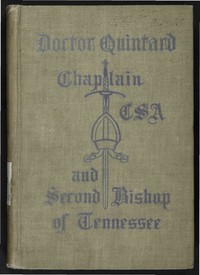
Doctor Quintard, Chaplain C.S.A. and Second Bishop of Tennessee Being His Story of the War (1861-1865) Book Summary
Introduction
This book offers a unique perspective on the American Civil War through the eyes of a Confederate Chaplain. It chronicles his personal journey and experiences from the outbreak of the war in 1861 until its conclusion in 1865, providing both a firsthand account of military life and reflections on the profound spiritual and moral challenges faced during this tumultuous period in American history.
What is this book about?
The book, written by a man who held significant religious and military roles within the Confederate States of America (C.S.A.), details his experiences as a chaplain. It covers his involvement in various campaigns and battles, his observations of the suffering on the battlefield and in Confederate camps, his attempts to maintain morale and provide spiritual comfort to soldiers, and his reflections on the political and theological complexities of the war. The narrative blends personal anecdotes, accounts of military events, and deep introspection about faith, duty, and the meaning of the conflict, culminating in his eventual consecration as a bishop, which adds a later layer to his unique position of leadership.
Key Lessons
1. The Intersection of Faith and Conflict: The book delves into the profound spiritual crisis the war presented for many Southerners, including its author. It explores how deeply held religious beliefs grappled with questions of divine providence, the meaning of suffering, and the perceived righteousness of the Confederacy's cause. The chaplain's role was not just to offer comfort but to wrestle with these difficult theological questions alongside the soldiers, often finding faith challenged by the harsh realities of war.
2. Leadership in Adversity: Serving as a chaplain during the war required immense courage and adaptability. The lessons highlight the chaplain's efforts to fulfill his pastoral duties amidst the chaos of battle, the logistical difficulties of providing spiritual care on the move, and the delicate balance between offering solace and confronting the harsh truths of mortality and defeat. His eventual consecration as a bishop underscores the evolving nature of his leadership role and the desperate need for spiritual guidance.
3. The Human Cost of War Beyond Combat: While detailing battles, the book provides a stark portrayal of the war's pervasive impact on civilian life, family structures, and the psychological toll on soldiers. It emphasizes the suffering not just on the front lines but in hospitals, among refugees, and within communities facing dwindling resources and the moral weight of defending a losing cause. This offers a broader understanding of the war's devastating consequences.
4. Navigating Political and Moral Compromises: The narrative touches upon the internal political divisions within the Confederate States, including debates over slavery and the war effort itself. As a figure of authority (bishop) later in the book, the author explores the challenges of reconciling personal beliefs with the demands of the political and military leadership, highlighting the complex moral landscape many leaders navigated during the crisis.
Is this book fit for me?
If you are interested in gaining insight into the personal and spiritual dimensions of the American Civil War from a Confederate perspective, this book offers unique value. You will find it fitting if:
- You seek a firsthand account that goes beyond typical military histories.
- You are curious about the role of religion and chaplains during the Civil War.
- You want to understand the moral and existential struggles faced by individuals involved in the conflict.
- You are interested in the social and cultural history of the American South during this period.
- You appreciate narratives that blend personal memoir with historical observation.
Does it still matter today?
Yes, this book retains significance today, primarily as a historical document offering valuable insights into how societies and individuals grapple with large-scale conflict, loss, and profound moral questions. It provides a specific lens on the Civil War, enriching our understanding of this pivotal event from a less commonly explored viewpoint. The themes of faith under pressure, leadership during crisis, and the human cost of war remain relevant, allowing readers to draw parallels, however distant, to contemporary conflicts and challenges.
| Reading on Gutenburg | Free reading |
| Get Paperback Version on Amazon | Buy a book |
| Suggest Book : The New Kind of War: The History of Unmanned Aerial Vehicles in the Middle East Book | Get on Amazon |
Conclusion
In conclusion, 'Doctor Quintard, Chaplain C.S.A. and Second Bishop of Tennessee' offers a compelling and intimate look at the American Civil War through the dedicated eyes of a man caught between his faith, his duty, and the tumultuous events of his time. It is a valuable resource for historians, students, and anyone seeking a deeper, more personal understanding of the war's impact beyond the political and military spheres. While its direct relevance might be niche for contemporary readers, its historical importance and unique perspective make it a worthwhile read for those engaged with American history and the enduring complexities of war and faith.