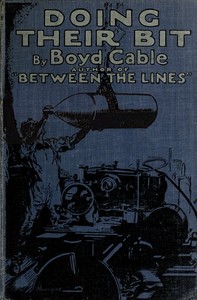
Doing Their Bit: War Work at Home Book Summary
The book provides several key insights:
1. The Transformative Power of Crisis: Major historical events can fundamentally alter social structures and gender roles. WWI created an unprecedented opportunity by removing men from traditional breadwinner roles, forcing women into the workforce in large numbers. This wasn't just an economic necessity; it was a social upheaval that many women embraced out of patriotism but also curiosity about their own capabilities. The book highlights how women took on jobs like munition worker (earning the 'munitionette' nickname), bus conductor, and tram driver, roles previously unthinkable, demonstrating a willingness to challenge traditional boundaries.
2. The Complexity of 'Doing Their Bit': Participation wasn't monolithic. Women contributed through various avenues: direct labour in factories, essential services, and transportation; indirect support through fundraising, knitting for soldiers, and volunteering for auxiliary services; and political activism pushing for suffrage gains during the war years. The book emphasizes the diversity of experiences, from young girls working long hours to housewives managing rationing and supporting the family, showcasing how the war permeated every aspect of daily life and required adaptation from all segments of society.
3. The Limits of Change: While the war opened new doors for women, the book also subtly explores the fragility of these gains. There's an underlying tension between the wartime contributions and the post-war 'return to normal'. The book doesn't shy away from the societal pressure that pushed women back into the home after the war, often downplaying their industrial achievements. It serves as a historical snapshot showing how progress can be slow and reversible, highlighting the persistent societal expectations placed on women, even amidst great national effort.
4. Everyday Heroism: The book focuses not just on grand narratives but on the ordinary actions of ordinary women. It celebrates the 'bit' each woman did, whether it was working twelve-hour shifts in a factory, rationing goods meticulously, or simply maintaining morale at home. This perspective shifts the focus from military heroism to the crucial, often unseen, work that sustained the nation during crisis.
This book would be particularly fitting for you if:
- You are interested in World War I history beyond the battlefields, focusing on the home front and social impact.
- You want to understand the history of women's roles in society and the push for gender equality.
- You enjoy exploring how historical events reshape cultural norms and individual lives.
- You are curious about the 'daily lives' of people during times of crisis.
- You appreciate well-researched, empathetic historical accounts that humanize the past.
| Reading on Gutenburg | Free reading |
| Get Paperback Version on Amazon | Buy a book |
| Suggest Book : A People's History of the Great War Book | Get on Amazon |