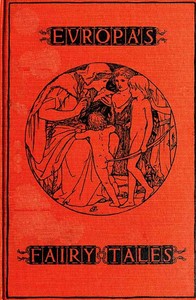
Europa's Fairy Book Book Summary
A Journey into European Folklore
Welcome to the enchanting world of 'Europa's Fairy Book,' a captivating collection of folk tales, myths, and fairy stories compiled from various European countries. This book transports readers on a magical journey through the hearts and imaginations of cultures from Italy, Germany, Russia, and beyond. It's more than just a collection of bedtime stories; it's a cultural tapestry woven with threads of wisdom, wonder, and timeless human experiences. Perfect for anyone curious about the diverse folklore of Europe or seeking to rediscover the magic of classic storytelling.
An Overview of Europa's Fairy Book
Europa's Fairy Book, part of Andrew Lang's popular series, compiles a rich assortment of folk tales from across Europe. It includes stories from well-known regions like Germany (featuring Brothers Grimm-inspired tales), Italy (with Neapolitan folklore), and Russia (drawing from Slavic traditions). The book aims to introduce readers to the cultural heritage and imaginative spirit of these regions through accessible, enchanting narratives. It serves as both entertainment and education, offering insights into historical beliefs, moral values, and the everyday lives of people in the past, all wrapped in the timeless appeal of fairy tales.
Key Lessons from Europa's Fairy Book
This collection offers more than just escapism; it imparts valuable lessons through its diverse stories. One major theme is multiculturalism and the universality of human experience. By exploring tales from different European cultures, readers gain a deeper appreciation for the common threads of joy, sorrow, courage, and magic that connect us all. For instance, a Russian folktale might celebrate resilience against harsh winters, while a German story could highlight cleverness overcoming adversity. These narratives often contain explicit moral lessons, teaching virtues like honesty, bravery, kindness, and the consequences of greed or deceit, making them valuable tools for character building. Furthermore, the book demonstrates the power of storytelling itself as a means of preserving history, transmitting cultural values, and fostering empathy by allowing readers to step into different worlds and perspectives, thereby broadening their understanding of humanity's rich tapestry.
Another significant lesson is the importance of cultural exchange and understanding. Europa's Fairy Book showcases the unique characteristics and shared folklore of various European nations, promoting appreciation for diversity within Europe. It subtly challenges ethnocentrism by presenting equally valid and enchanting traditions from different backgrounds. The stories illustrate how seemingly disparate cultures can share fundamental stories and archetypes, highlighting our common human heritage. This fosters a sense of connection and shared imagination across national boundaries, reminding readers that while cultural expressions may differ, the underlying human emotions and aspirations are often universal. Finally, the book emphasizes the enduring power of imagination and wonder, offering an antidote to cynicism and a reminder of the transformative potential of fantasy and folklore in enriching our lives.
Is This Book Fit for You?
If you are a parent or educator looking for engaging and culturally diverse bedtime stories, Europa's Fairy Book is an excellent choice, offering a gentle introduction to European folklore. Teachers and students interested in cultural studies, history, or literature will appreciate the depth and variety it provides, using stories as a lens to explore historical contexts and societal values. History enthusiasts will find the book a fascinating window into the past, seeing how folklore reflects the beliefs and daily life of people in different regions. General readers seeking a charming and accessible collection of fairy tales, especially those interested in European culture or classic literature, will also find much to enjoy here. Its well-structured tales make it suitable for readers of various ages, from children captivated by magic to adults reminiscing about their own childhood story collections.
Does It Still Matter Today?
Absolutely, Europa's Fairy Book remains incredibly relevant in today's world. Its exploration of universal human themes, moral values, and cultural diversity offers timeless insights. In an increasingly globalized and fragmented world, understanding and appreciating different cultural narratives is more important than ever. The book's collection of stories from various European regions promotes cross-cultural understanding and counters narrow perspectives, reminding us of our shared human experiences and unique cultural heritages. Its focus on virtues like honesty, empathy, and courage provides a valuable counterpoint to contemporary issues often dominated by materialism or cynicism. The stories serve as engaging tools for teaching ethics, history, and cultural awareness to new generations. While the specific historical context may differ, the underlying messages about human nature, community, and the struggle between good and evil continue to resonate deeply.
| Reading on Gutenburg | Free reading |
| Get Paperback Version on Amazon | Buy a book |
| Suggest Book : Babel and Babylon Book | Get on Amazon |
A Lasting Legacy
Europa's Fairy Book is more than just a collection of charming tales; it's a cultural artifact that celebrates the rich folklore of Europe and teaches enduring values. Its imaginative stories, diverse origins, and timeless themes make it a valuable resource for anyone interested in literature, history, or simply appreciating the magic of storytelling. It stands as a testament to the power of folklore to connect, educate, and delight across generations and cultures.