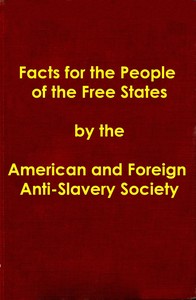
Facts for the People of the Free States Book Summary
Introduction
William Lloyd Garrison's Facts for the People of the Free States is a pamphlet published in 1852, during the height of the abolitionist movement in the United States. It represents a direct appeal to the citizens of the Northern states, urging them to actively support the fight against slavery. The pamphlet is characterized by its passionate, moralistic tone and its insistence on presenting indisputable facts about the cruelty and injustice of slavery.
What is this book about?
Garrison's pamphlet serves as a tool for educating and mobilizing the anti-slavery cause. It systematically addresses common pro-slavery arguments and counters them with documented evidence of the brutal realities faced by enslaved people. Topics include the hypocrisy of defending slavery alongside professed Christian values, the economic arguments for slavery (which Garrison argues often ignore human cost and potential), and the moral imperative of immediate, uncompensated emancipation. The book aims to empower its readers with information to become effective advocates for abolition.
Key Lessons
Garrison's work is fundamentally an exercise in moral persuasion, emphasizing the power of facts and logic to combat prejudice. One core lesson is the importance of direct, unvarnished truth-telling. He fearlessly exposes the brutalities of slavery, refusing to shy away from graphic details, arguing that ignorance is the greatest defense of injustice. Another key lesson is the necessity of moral courage. He challenges his readers to confront their own complicity and the inconsistencies in their beliefs, urging them to align their actions with their stated principles against slavery.
Furthermore, the pamphlet highlights the strategic use of facts in political discourse. By meticulously documenting the cruelties and economic flaws of slavery, Garrison provides a framework for dismantling pro-slavery arguments. It teaches that well-organized, evidence-based propaganda can effectively challenge entrenched systems of oppression. Finally, it underscores the urgency of the abolitionist cause, presenting slavery not as a settled issue but as an immediate moral crisis demanding swift action.
Is this book fit for me?
This pamphlet is essential reading for those interested in the history of the abolitionist movement, 19th-century American social reform, or the roots of the Civil War. It is particularly valuable for students of American history, those studying social justice movements, and readers exploring the power of moral arguments in political change. If you want to understand the passionate, fact-based rhetoric used to fight slavery in the North, or to appreciate the challenges faced by Garrison and his followers in mobilizing public opinion, this book is highly relevant. However, its dense prose and specific historical context might be challenging for a casual reader seeking light reading.
Does it still matter today?
Yes, absolutely. While the institution of chattel slavery is no longer legal in the United States, the issues it addressed—systemic injustice, the power of propaganda, the fight for human rights, and the moral courage required to challenge the status quo—remain profoundly relevant. The techniques used to defend slavery, such as minimizing its impact, questioning the motives of reformers, and appealing to economic necessity, echo in contemporary debates over issues like racial inequality, mass incarceration, and democratic erosion. Understanding the abolitionist movement helps illuminate the ongoing struggle for civil rights and social justice.
Therefore, I suggest reading To Kill a Mockingbird by Harper Lee. While it's a work of fiction set in a different time and place, it masterfully explores themes of racial injustice, moral growth, and societal prejudice that parallel the concerns raised in Garrison's pamphlet, making it a more accessible yet equally powerful exploration of similar enduring issues.
| Reading on Gutenburg | Free reading |
| Get Paperback Version on Amazon | Buy a book |
| Suggest Book : To Kill a Mockingbird Book | Get on Amazon |
Conclusion
William Lloyd Garrison's Facts for the People of the Free States is a powerful, historically significant piece of abolitionist literature. Though written over 160 years ago, its core message about the vital role of facts, moral courage, and unwavering commitment in the fight against injustice remains compelling. It offers valuable insights into a pivotal moment in American history and continues to resonate with readers concerned about ethical issues and the ongoing pursuit of equality and freedom.