Finger Prints Book Summary
Finger Prints
Frances Power Cobbe's 1880 collection of essays is a fascinating blend of social commentary, personal reflection, and advocacy for women's rights. While seemingly disparate topics, from the physiology of fingerprints to critiques of contemporary social institutions, they are united by Cobbe's passionate desire for social reform and her fierce intellect.
What is 'Finger Prints' About?
The book is a compilation of essays written over several years, showcasing Cobbe's multifaceted interests and her commitment to challenging the status quo of Victorian England. Key themes include:
- Advocacy for Women's Rights: Cobbe was a prominent voice for women's suffrage, equal education, and challenging restrictive marriage laws. She argues passionately for women's independence and individuality.
- Critique of Victorian Society: She毫不留情地 criticizes hypocrisy, social conventions (particularly those surrounding marriage and women's roles), and the lack of legal protections for women.
- Personal Philosophy and Experiences: The essays often incorporate her own life experiences, adding a deeply personal dimension to her arguments.
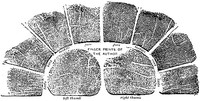
- Scientific and Social Observation: Topics range from the unique nature of fingerprints (a symbol of individuality) to detailed analyses of poverty, religion, and public morality.
Essentially, 'Finger Prints' is Frances Power Cobbe's manifesto, a collection of her thoughts and arguments aimed at enlightening and reforming her society, particularly concerning the position of women.
Key Lessons from 'Finger Prints'
1. Individuality and Identity: Cobbe uses the unique nature of fingerprints as a powerful metaphor for human individuality. Just as no two people have identical fingerprints, she argues for the recognition of the unique moral, intellectual, and spiritual worth of each person. She extends this to women, insisting they are not merely appendages but individuals with their own rights and responsibilities. This idea challenges the conformity demanded by rigid social structures.
2. The Need for Women's Independence and Education: Cobbe argues vehemently that women are intellectually capable and should have access to education on par with men. She contends that without education and economic independence, women cannot realize their full potential or contribute meaningfully to society. Her essays detailing her own struggles and those of other women highlight the limitations imposed by lack of opportunity.
3. Critique of Hypocrisy and Double Standards: A recurring theme is Cobbe's exposure of the hypocrisy prevalent in Victorian society. She points to double standards in morality (especially regarding sexuality), the lack of women's legal rights (particularly after marriage), and the prioritization of social convention over individual well-being. She calls for honesty and consistency in societal values.
4. The Power of Conscience and Moral Courage: Throughout her writings, Cobbe emphasizes the importance of adhering to one's own moral compass, even when it goes against societal pressure. Her willingness to speak out against powerful institutions and prevailing beliefs, despite the personal risks, serves as an example of the power found in moral conviction and courage.
5. Social Reform as Moral Imperative: Cobbe believed that observing social injustice and inequality was not enough; one had a duty to speak out and advocate for change. Her essays are not just critiques but calls to action, urging readers to question the status quo and work towards a more just and equitable society.
Is This Book Fit For Me?
- If you are interested in the history of feminism and women's rights movements, especially the 19th century.
- If you enjoy reading social commentaries and critiques of societal norms and hypocrisy.
- If you are fascinated by the life and perspectives of notable historical figures like Frances Power Cobbe.
- If you want to understand the arguments and challenges faced by early feminists advocating for suffrage and legal equality.
- If you appreciate well-argued, passionate, and sometimes polemical essays from a historical perspective.
- If you are interested in the intersection of personal experience and social reform.
The book contains some challenging language and ideas for a modern reader, reflecting its Victorian era context, but it remains a significant and thought-provoking work.
Does It Still Matter Today?
Yes, absolutely. While many of the specific legal battles Cobbe fought (like the Married Women's Property Act) were won, the underlying issues she addressed continue to resonate:
- Gender Equality: The struggle for true equality in pay, representation, and respect persists.
- Women's Rights: Issues surrounding reproductive rights, protection against discrimination, and violence remain critical.
- Social Hypocrisy: Many of the double standards and hypocrisies Cobbe decried still exist in less obvious forms.
- Individual Autonomy: The fight for personal freedom and the right to define one's own life path continues.
While the context is different, Cobbe's arguments for recognizing individuality, challenging injustice, and advocating for fundamental rights remain incredibly relevant. Her voice, though from the past, echoes the ongoing struggle for progress and fairness.
| Reading on Gutenburg | Free reading |
| Get Paperback Version on Amazon | Buy a book |
| Suggest Book : The Female Hoax Book | Get on Amazon |
The Enduring Voice of Frances Power Cobbe
'Finger Prints' is more than just a historical document; it is a powerful testament to one woman's unwavering commitment to justice, equality, and truth. Cobbe's essays, though penned in a specific historical moment, offer timeless insights into the nature of inequality, the importance of individual conscience, and the necessity of speaking out against oppression. It is an essential read for anyone seeking to understand the roots of modern feminism and the ongoing fight for human rights. The recommended next book, 'The Female Hoax', provides further insight into the arguments against women's suffrage, offering a valuable contrast to Cobbe's perspective.