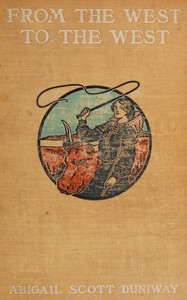
From the West to the West Book Summary
Introduction
This book delves into the complex journey of people, cultures, and economies moving across the vast landscapes of the Western United States. It moves beyond the simple narrative of Manifest Destiny, offering a nuanced look at the actual paths taken, the diverse motivations behind them, and the profound transformations these migrations wrought on both the migrants and the lands they traversed.
What is this book about?
'From the West to the West' examines the historical movement of populations within the Western regions of America. It explores the push factors (economic hardship, conflict, religious persecution) and pull factors (gold, fertile land, new opportunities) that drove individuals and groups across states and territories. The book covers diverse groups – settlers, miners, ranchers, migrants – and analyzes the infrastructure (railroads, roads), the challenges (harsh environments, conflict with Native populations, social changes), and the long-term impacts of these internal westward movements on the development of the American West.
Key Lessons
The book challenges the monolithic narrative of westward expansion. It demonstrates that 'Westward Ho' wasn't just a national slogan; it represented a literal and ongoing migration *within* the West itself. People moved from older Western states like New York or Ohio into newer ones like Kansas, Nebraska, Colorado, and eventually California, seeking better prospects or new horizons even after the initial wave of pioneers had settled the frontier.
One crucial lesson is the sheer diversity of the migrants. The narrative isn't dominated solely by white, male homesteaders. It includes African Americans seeking freedom or better opportunities (like the Exodusters), Chinese laborers building railroads, Mexican and Native American populations already present or displaced, and various immigrant groups. This highlights that the 'American West' story is not monolithic but woven from many threads.
The book also emphasizes the environmental impact. Each group moving west altered the land, from clearing forests for farms to grazing cattle on the plains, laying the groundwork for the environmental challenges the West faces today. Furthermore, it underscores the theme of displacement – not just of Native Americans, but the continuous displacement of existing populations (including diverse settlers) as new waves arrived. Finally, it shows how infrastructure, particularly the transcontinental railroad, dramatically accelerated and shaped these internal movements, connecting distant regions and making westward migration more feasible than ever before.
Is this book fit for me?
If you are interested in American history, particularly the development of the United States, the American West, migration studies, or social change, this book is likely for you. You will find value if you appreciate detailed historical accounts that move beyond broad strokes to explore specific people, groups, and motivations. It's suitable for readers who enjoyed works like 'Empire of the Plains' or 'The West of the Best' and are looking for a deeper understanding of the complex human stories behind the physical expansion of the country. The book offers insights into migration patterns, the nature of frontier life, and the interplay between people and their environment.
Does it still matter today?
Yes, absolutely. The patterns of internal migration, the struggles for resources and opportunity, the complexities of displacement, and the relationship between infrastructure and development explored in the book continue to resonate in contemporary America. Understanding the historical roots of current population movements (from urban centers to rural areas or vice versa), debates over land use and conservation, and the ongoing challenges of regional inequality can be illuminated by this historical perspective on westward migration. The book provides a valuable lens through which to view ongoing demographic shifts and the long-term consequences of past development policies.
| Reading on Gutenburg | Free reading |
| Get Paperback Version on Amazon | Buy a book |
| Suggest Book : Empire of the Plains: An Environmental History of the Great Plains Book | Get on Amazon |
Conclusion
'From the West to the West' provides a rich and multifaceted view of internal migration within the American West. It moves beyond the traditional frontier narrative to explore the diverse groups, varied motivations, significant infrastructure, and lasting impacts of people moving across this vast and dynamic region. By understanding these complex journeys, we gain a deeper appreciation for the ongoing process of settlement, change, and the intricate relationship between migration and the development of the United States. It remains a relevant and insightful read for anyone interested in the American experience. Tags : Culture/Civilization/Society History - American