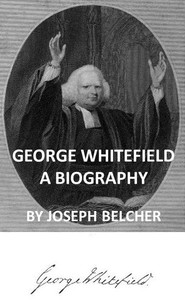
George Whitefield: A Biography, with special reference to his labors in America Book Summary
Introduction
George Whitefield stands as one of the most influential figures in the history of American religious life. Though not a founding father, his powerful voice and charismatic preaching played a crucial role in shaping the religious landscape of colonial America, particularly through his involvement in the Great Awakening. This biography delves into the life of this remarkable evangelist, exploring his rise from modest beginnings to become a global religious leader, with a special focus on his significant contributions and tireless labors within the American colonies.
What is this book about?
This biography details the life of George Whitefield, a key figure in the 18th-century evangelical movement. It examines his background, his conversion, his journey to England where he found acceptance among dissenting groups, and his subsequent emergence as a powerful preacher. The book emphasizes his pivotal role in the Great Awakening in America, his innovative methods of spreading the Gospel, his travels across the colonies, and his impact on religious pluralism and the formation of American identity. It traces his life from his early ordination to his death, highlighting his global missionary ambitions while focusing significantly on his transformative work in the American context.
Key Lessons
This book offers several profound insights into faith, society, and historical influence.
Firstly, it illustrates the immense power of passionate, eloquent communication. Whitefield's gift for rhetoric and his ability to convey spiritual experiences moved thousands, demonstrating how words and personal charisma can ignite social and religious movements far beyond the pulpit. His sermons, often lasting hours, appealed to both intellect and emotion, bridging divides and creating a sense of shared experience among diverse colonial populations.
Secondly, the book highlights the significance of religious revivals and their societal impact. The Great Awakening, of which Whitefield was a central catalyst, challenged the established religious and social order. It fostered a sense of individual piety, democratized religious experience (in contrast to the hierarchical structure of some established churches), and contributed to the rise of new denominations and the concept of religious freedom, even as it sometimes created new divisions.
Thirdly, it showcases the importance of outreach and accessibility in religious practice. Whitefield insisted on preaching outdoors to larger audiences and welcomed all, regardless of background or church affiliation. His willingness to travel vast distances and perform his ministry without accepting regular salary (often funded by grateful congregations) underscores a dedication to spreading the Gospel beyond institutional boundaries and personal comfort.
Finally, the biography serves as a reminder of the transatlantic connections that shaped the American colonies. Whitefield's story is intrinsically linked to the religious ferment in England and Scotland, demonstrating that American history is deeply rooted in broader transatlantic networks of ideas and people. His life exemplifies the complex interplay between faith, culture, and the forces of change in the eighteenth century.
Is this book fit for me?
This biography will be particularly valuable if you are interested in:
- American colonial history and the development of American religious identity.
- The history of evangelical Christianity and the Great Awakening.
- The role of religious revivals in shaping society.
- The life and impact of key historical figures beyond the traditional Founding Fathers.
- The history of religious dissent and pluralism in America.
- Understanding the transatlantic dimensions of early American life.
It's suitable for students, history enthusiasts, and anyone seeking to understand the deep roots of American religious culture and the powerful, often overlooked, force of evangelicalism in the nation's formative years.
Does it still matter today?
Absolutely. George Whitefield's story remains incredibly relevant. His methods of passionate, accessible preaching continue to influence modern evangelicalism and religious revivals. The themes of religious freedom, the tension between tradition and individual faith, the role of charismatic leadership, and the impact of religious movements on social and cultural landscapes are still central to contemporary American life and ongoing debates. His life serves as a case study in the enduring power of faith to mobilize large populations and reshape national character.
Therefore, I suggest you read "The Great Awakening and the Rise of Religious Freedom in America" to explore the direct legacy of Whitefield and others involved in the Great Awakening and how it laid the groundwork for the First Amendment and the separation of church and state in the United States.
| Reading on Gutenburg | Free reading |
| Get Paperback Version on Amazon | Buy a book |
| Suggest Book : A Failure of Nerves: The American Revolution and the Men Who Fought It Book | Get on Amazon |
Conclusion
In conclusion, a biography of George Whitefield offers a fascinating window into a pivotal period in American history. Far from being just a religious figure, Whitefield was a dynamic force whose eloquence and vision profoundly affected the spiritual and social fabric of the colonies. Understanding his life, his labors, and his impact provides invaluable context for comprehending the roots of American religious diversity, the meaning of religious freedom, and the enduring power of faith to inspire and transform a nation. His story is essential reading for anyone seeking a deeper understanding of America's foundational years.