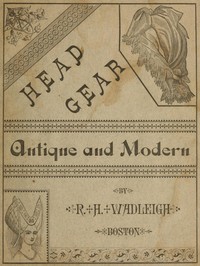
Head-Gear, Antique and Modern Book Summary
Introduction
Head-Gear, Antique and Modern is a collection of essays published in 1880 that delves into the history, variety, and symbolism of headwear across different periods and cultures. The book examines both functional and decorative aspects, from practical items like the Phrygian cap and the Hennin to everyday head coverings and elaborate ceremonial headdresses. It aims to provide readers with an appreciation for the diverse ways humans have adorned their heads throughout history.
What is this book about?
This book is fundamentally about the history and significance of headgear. It is structured as a series of articles or essays, likely originally published separately, compiled under this title. The author explores a vast range of head coverings, spanning ancient civilizations (like the Egyptians, Greeks, Romans) through the Middle Ages, Renaissance, and up to the Victorian era. Each piece of headwear discussed is described in detail, often with accompanying illustrations (which would be essential for the descriptions provided), explaining its historical context, materials, construction, regional variations, and often its social or ceremonial meaning. The book serves as a historical snapshot of fashion, textiles, and cultural practices related to headwear.
Key Lessons
1. **Headwear as Social Indicator:** The book vividly illustrates how headgear often served as a powerful marker of social status, profession, marital status, religious affiliation, or even nationality. For example, the distinct coif worn by nuns signified their vows and community, while the elaborate top hats of the 19th century aristocracy denoted wealth and rank. Understanding a piece of headwear often unlocks the social code of its time and wearer.
2. **Function Follows Form:** While aesthetics are discussed, the book emphasizes the functional origins of many head coverings. Headgear evolved from practical needs like protection from sun, rain, wind, and cold. The pointed Hennin, fashionable in the 15th century, was initially a practical winter hat but later became an exaggerated symbol of status, demonstrating how function can be divorced from its original purpose.
3. **Cultural and Regional Diversity:** "Head-Gear" showcases the incredible variety of headwear across different regions and cultures. From the intricate feathered headdresses of Native American tribes signifying bravery or status, to the specific styles of head coverings worn by various European peasant classes, the book highlights that clothing, including headwear, is deeply intertwined with local traditions, climate, and available resources.
4. **Materials and Craftsmanship:** The descriptions often detail the materials used (silk, velvet, fur, metal, wood, jewels) and the craftsmanship involved. This provides insight into the textile industry, metalworking, and decorative arts of the periods covered, revealing the skill and resources required to create certain types of headwear.
5. **Evolution of Style and Fad:** The book traces how headwear trends changed over centuries, sometimes reflecting broader shifts in fashion, art, or even political expression. It documents how styles could be adopted, adapted, or rejected, showing the dynamic nature of human adornment.
Is this book fit for me?
If you are interested in the history of fashion, textiles, or material culture, this book could be enjoyable. It provides specific, illustrated descriptions of historical headwear. It is suited for:
- Readers curious about historical clothing and accessories.
- Those interested in the symbolism behind clothing items.
- Students or enthusiasts of history, particularly social or costume history.
- Individuals interested in the evolution of fashion trends.
However, it is written from a 19th-century perspective and might appeal more to those with a specific interest in headwear or European history. Its style is somewhat descriptive and anecdotal for its time.
Does it still matter today?
Yes, it still matters today, primarily for historical and cultural understanding. "Head-Gear, Antique and Modern" offers a valuable snapshot of fashion and social norms from the 19th century. It helps us appreciate the historical context of clothing and how items worn centuries ago reflect concepts of identity, status, and belonging that still resonate today. Understanding the past provides perspective on our own fashion choices and the role clothing plays in contemporary society.
| Reading on Gutenburg | Free reading |
| Get Paperback Version on Amazon | Buy a book |
| Suggest Book : The Family: A World History Book | Get on Amazon |
Conclusion
"Head-Gear, Antique and Modern" remains a charming and informative work for anyone interested in the history of clothing and its cultural significance. While perhaps less central to modern fashion discourse than broader histories of dress, it provides specific, visually described examples of how headwear shaped identity and reflected societal structures in the past. It serves as a delightful exploration of a specific aspect of human adornment history.