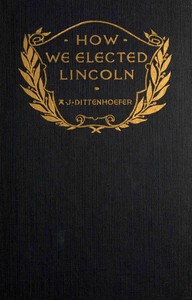
How we elected Lincoln Book Summary
The book How We Elected Lincoln is a firsthand account of the 1860 presidential election, written by Abram J. Dittenhoefer, a prominent New York lawyer and political figure who actively supported Abraham Lincoln's campaign. The book provides a detailed and personal perspective on the political climate, strategies, and key events that led to Lincoln's election as the 16th President of the United States.
How We Elected Lincoln is a memoir by Abram J. Dittenhoefer, detailing his experiences and observations during the 1860 presidential election. The book covers the political landscape of the time, the strategies employed by Lincoln's campaign, and the key events that influenced the election's outcome. Dittenhoefer provides insights into the personalities and dynamics within the Republican Party, as well as the challenges and opposition faced by Lincoln's candidacy.
- The Importance of Political Strategy: The book highlights the strategic decisions made by Lincoln's campaign, such as focusing on swing states and leveraging the divisions within the Democratic Party. For example, the split between Northern and Southern Democrats over the issue of slavery allowed Lincoln to secure key states like Pennsylvania and Illinois.
- The Role of Key Figures: Dittenhoefer emphasizes the contributions of influential figures like William H. Seward, Thurlow Weed, and others who played crucial roles in mobilizing support for Lincoln. Their efforts in organizing rallies, speeches, and campaign events were instrumental in building momentum for Lincoln's candidacy.
- The Impact of the Slavery Issue: The book underscores how the issue of slavery was a central theme in the election, with Lincoln's opposition to its expansion resonating with many Northern voters. The debates and discussions around slavery helped to galvanize support for Lincoln and the Republican Party.
- The Power of Grassroots Movements: Dittenhoefer's account also highlights the importance of grassroots organizing and the role of local communities in supporting Lincoln's campaign. The enthusiasm and dedication of ordinary citizens were vital in spreading Lincoln's message and securing his victory.
This book is fit for readers who are interested in:
- American political history, particularly the 1860 presidential election.
- Firsthand accounts of historical events and political campaigns.
- The strategies and tactics used in presidential elections.
- The role of key political figures and grassroots movements in shaping election outcomes.
- The impact of the slavery issue on American politics and society.
Yes, this book still matters today because it provides valuable insights into the political processes and dynamics that shaped one of the most significant elections in American history. Understanding the strategies and challenges faced by Lincoln's campaign can offer lessons for contemporary political campaigns and the importance of addressing critical issues that resonate with voters.
Suggested next book: Team of Rivals: The Political Genius of Abraham Lincoln by Doris Kearns Goodwin. This book explores how Lincoln brought together his political rivals to form a strong and effective cabinet, demonstrating his leadership and political acumen.
| Reading on Gutenburg | Free reading |
| Get Paperback Version on Amazon | Buy a book |
| Suggest Book : Team of Rivals: The Political Genius of Abraham Lincoln Book | Get on Amazon |
How We Elected Lincoln is a valuable historical document that offers a unique perspective on the 1860 presidential election. Through Dittenhoefer's firsthand account, readers gain insights into the political strategies, key figures, and critical issues that shaped the election's outcome. The book remains relevant today as it highlights the enduring importance of effective political strategy, the power of grassroots movements, and the impact of addressing significant societal issues in political campaigns.