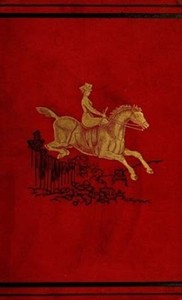
Ladies on Horseback Learning, Park-riding, and Hunting, with Hints Upon Costume, and Numerous Anecdotes Book Summary
Introduction
This summary provides an overview of the book "Ladies on Horseback: Learning, Park-riding, and Hunting, with Hints Upon Costume, and Numerous Anecdotes," published in the late 19th century. Accessible via Project Gutenberg, the book offers insights into equestrian activities for women during a time when such pursuits were becoming more common and socially acceptable.
What is this book about?
This book is a guide for women who wish to learn horseback riding. It covers the basics of instruction, practical riding in parks, hunting, and the importance of proper attire. Structured like a manual or a set of lessons, it includes anecdotes and stories to illustrate points, making the learning process seem both practical and enjoyable. Essentially, it's a primer on equine activities tailored for female participants in the Victorian era.
Key Lessons
The book is fundamentally about instruction and practical application, presented through a specific historical lens. Key ideas include:
1. Foundational Skills and Patience: The book emphasizes starting with basic commands, mounting, dismounting, and simple obedience. It stresses the importance of patience and consistent practice, highlighting that mastery takes time and dedication. For example, it likely details how to approach a horse calmly and how to use gentle rein and leg cues effectively.
2. Practical Riding in Controlled Environments: "Park-riding" refers to riding in enclosed, safe areas like private grounds or designated public parks. The book probably offers advice on navigating these spaces, understanding directions, maintaining control without excessive tension, and enjoying the freedom of riding in a controlled setting. It demystifies the seemingly simple act of riding a horse in a park, breaking it down into manageable components.
3. The Excitement and Skill of Hunting: While acknowledging the risks and requiring advanced skills, the book encourages women to consider hunting as a more advanced pursuit. This section likely covers the specific challenges of hunting (tracking, longer distances, varied terrain, group dynamics), the required equipment, and the thrill of the chase, positioning it as a rewarding extension of one's riding abilities.
4. The Importance of Appropriate Dress: Proper attire is presented not just for comfort but for practicality, safety, and social appropriateness. It offers detailed "hints" on suitable clothing (like bloomers or tailored skirts, appropriate footwear, undergarments, and accessories). This reflects the societal norms of the time and the practical needs of riding, ensuring riders are neither hindered nor immodest.
5. Learning from Experience and Storytelling: The inclusion of numerous anecdotes serves multiple purposes. It humanizes the learning process, provides relatable examples of successes and mistakes, offers practical tips through shared experiences, and adds entertainment value. These stories illustrate the principles being taught in a tangible, memorable way.
Is this book fit for me?
While intended for women of the late 19th century, this book could be of interest to:
- Those studying the history of women's roles, sports, and recreation.
- Individuals researching the history of equestrianism or Victorian social customs.
- Modern equestrians seeking historical context or anecdotes about horse riding.
- People interested in the evolution of women's participation in traditionally male-dominated activities.
- Readers who enjoy instructional texts from a specific historical period.
It is less directly relevant for contemporary guides to horseback riding.
Does it still matter today?
Yes, the themes and specific skills discussed in this book still matter today, albeit in different contexts:
The fundamental principles of horse riding (balance, communication with the horse, understanding equine behavior) remain unchanged. Learning these basics requires patience and practice, just as described. Park-riding techniques are still relevant for safe and enjoyable riding in enclosed areas.
The book provides a unique historical snapshot of women engaging in physically demanding outdoor activities. This perspective on female empowerment, capability, and participation in sports is valuable for historical understanding. The anecdotes offer timeless insights into the relationship between humans and horses.
However, the specific advice on hunting (which may involve different societal considerations, safety regulations, and land access today) and the clothing recommendations (which differ greatly from modern riding attire) are less directly applicable to contemporary practice.
| Reading on Gutenburg | Free reading |
| Get Paperback Version on Amazon | Buy a book |
| Suggest Book : The Natural Horsemanship Bible Book | Get on Amazon |
Conclusion
"Ladies on Horseback" offers a charming and informative glimpse into the world of equestrianism for women during the Victorian era. While its direct practical advice may be superseded by modern guides, its value lies in its historical context, instructional approach, and collection of engaging anecdotes. It provides a window into the past, showcasing the development of skills and the increasing participation of women in outdoor activities, reminding us of the enduring connection between humans and horses.