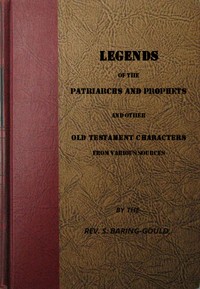
Legends of the Patriarchs and Prophets And Other Old Testament Characters from Various Sources Book Summary
The Consequences of Disobedience: A recurring theme throughout the book, particularly in the stories of Adam and Eve and the Flood, is the dire consequence of disobeying God’s commands. Adam and Eve’s choice to eat the forbidden fruit wasn't simply about hunger; it was about questioning God's authority and seeking knowledge independently. This led to their expulsion from the Garden of Eden and the introduction of sin and suffering into the world. Similarly, the wickedness of humanity leading up to the Flood wasn't just random acts of evil, but a complete rejection of God’s principles. This highlights the importance of humility, trust, and obedience in our relationship with a higher power. The narratives aren’t meant to be punitive, but to illustrate the natural outcomes of choices that separate us from goodness and truth.
The Power of Faith and Covenant: The story of Abraham is central to this theme. Abraham’s willingness to leave his homeland and travel to an unknown place, solely based on God’s promise, exemplifies unwavering faith. Even more dramatically, his willingness to sacrifice his son Isaac demonstrates a complete submission to God’s will. This isn’t presented as condoning human sacrifice, but as a symbolic representation of Abraham's dedication and belief in God's ultimate plan. God’s covenant with Abraham – a promise of a great nation and a blessed inheritance – underscores the significance of promises and commitment in the divine-human relationship. It shows that faith isn’t passive; it requires action and trust, even when the path forward is unclear.
God's Providence and Redemption: Throughout the trials of Jacob, the enslavement of the Israelites, and the ultimate deliverance through Moses, the book stresses God's continued care and provision for His people. Joseph’s journey, from being sold into slavery to becoming a powerful ruler in Egypt, is a particularly potent example. Despite the injustice and suffering he endured, God worked through these circumstances to ultimately save his family and the Egyptian nation from famine. This emphasizes the idea that even in the darkest of times, God is working behind the scenes, orchestrating events for a greater purpose. The narrative consistently portrays God as a redeemer, rescuing those who are faithful and using even difficult situations to fulfill His promises.
The Importance of Moral Leadership: Figures like Moses and Joseph are presented not just as recipients of God’s favor, but as leaders who were called upon to uphold justice and guide others. Moses’s struggles with the Israelites’ constant complaints and rebellions, as well as his dedication to following God’s law, illustrate the challenges of leadership. Joseph's integrity and wisdom allowed him to govern Egypt justly during a time of crisis. These examples show that true leadership isn’t about power or prestige, but about serving others and remaining true to one’s principles, even in the face of adversity.
- Readers interested in Biblical stories: If you enjoy the narratives of the Old Testament, this book provides a comprehensive retelling with added detail and historical context.
- Those fascinated by religious history and folklore: The inclusion of Midrash and historical anecdotes offers a glimpse into how these stories were interpreted and believed across different cultures and time periods.
- People seeking moral and spiritual lessons: The book explicitly aims to draw out the ethical and theological implications of each story.
- Readers who appreciate a classic writing style: Be prepared for a more ornate and descriptive prose style typical of the 19th century.
To further explore the complexities of these stories and their lasting impact, I suggest reading:
| Reading on Gutenburg | Free reading |
| Get Paperback Version on Amazon | Buy a book |
| Suggest Book : The Bible itself. While this book offers a retelling and interpretation, returning to the primary source allows for individual study and understanding, guided by contemporary scholarship and personal reflection. Book | Get on Amazon |