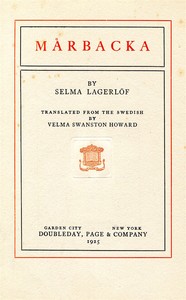
Mårbacka Book Summary
"Mårbacka" is a memoir by Selma Lagerlöf, the first woman to win the Nobel Prize in Literature. The book is a nostalgic and detailed account of her childhood home, Mårbacka, a small estate in Värmland, Sweden. Lagerlöf paints a vivid picture of her family, their daily life, and the rural community in which they lived. The memoir is not just a personal recollection but also a historical document that provides insights into 19th-century Swedish life and culture.
The book is about Selma Lagerlöf's memories of her childhood home, Mårbacka. It delves into the daily life of her family, their interactions with the local community, and the cultural and social norms of the time. The memoir is rich with descriptions of the landscape, the people, and the traditions that shaped Lagerlöf's early years.
- Family and Community: Lagerlöf emphasizes the importance of family and community in shaping one's identity. She describes how her family's values and the close-knit community of Mårbacka influenced her development.
- Cultural Heritage: The book highlights the significance of cultural heritage and traditions. Lagerlöf recounts various customs, folklore, and local legends that were integral to her upbringing.
- Nostalgia and Memory: The memoir is a testament to the power of nostalgia and memory. Lagerlöf's detailed recollections bring the past to life, showing how memories can shape our understanding of the present.
- Simplicity and Contentment: Despite the challenges of rural life, Lagerlöf portrays a sense of simplicity and contentment. The book suggests that happiness can be found in the small, everyday moments.
This book is fit for you if you are interested in:
- Memoirs and personal histories
- 19th-century Swedish culture and rural life
- The works of Selma Lagerlöf and her literary style
- Understanding the impact of childhood and family on personal development
Yes, this book still matters today. It provides a valuable historical perspective on Swedish rural life and offers timeless insights into family, community, and the power of memory. For those interested in exploring similar themes in a modern context, I suggest reading "The Family: A World History" by Mary Jo Maynes and Ann Waltner, which examines the role of family across different cultures and historical periods.
| Reading on Gutenburg | Free reading |
| Get Paperback Version on Amazon | Buy a book |
| Suggest Book : The Family: A World History Book | Get on Amazon |
"Mårbacka" is a beautifully written memoir that captures the essence of a bygone era. Selma Lagerlöf's vivid descriptions and heartfelt recollections make this book a timeless piece of literature. It remains relevant today as it offers a window into the past and reminds us of the enduring importance of family, community, and heritage.