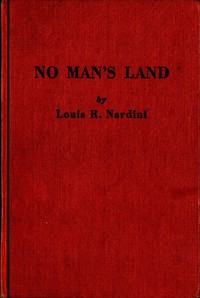
No Man's Land: A History of El Camino Real Book Summary
El Camino Real, translating to 'the royal road' in English, is a significant artery running through California's Central Coast. This book chronicles its long and complex history, from its origins as a vital Native American trade path to its role under Spanish, Mexican, and American rule, and its eventual designation as a California State Historic Park. It's a journey tracing the evolution of this road, reflecting the shifting landscapes, cultures, and governance of the regions it traversed, ultimately exploring themes of history, preservation, and the enduring significance of a physical path connecting communities.
"No Man's Land: A History of El Camino Real" delves deep into the multifaceted history of this specific road. The narrative begins with its ancient roots as a Native American trail network connecting coastal villages and tribes. It then follows its transformation under Spanish colonial rule, becoming a vital link for missions, presidios, and settlers, officially designated as the royal road connecting Mexico City to San Francisco. The book covers its continued importance during Mexican governance, its role after the Mexican-American War when it became part of American infrastructure, and the ongoing efforts to preserve the remaining sections as a historic park. It's not just a map of the road's physical course but a journey through the people and events that shaped its destiny.
The book "No Man's Land" offers several key insights into the nature of historical pathways and the societies they connect:
* **The Evolution of Infrastructure:** The book demonstrates how El Camino Real was not a static entity. It was constantly adapted, improved, and altered by different cultures and administrations. From a narrow Native American trail to a well-trodden Spanish camino real suitable for carretas (wagons), and later an American highway, its physical form changed dramatically, reflecting the priorities and technologies of each era. This teaches us that infrastructure is dynamic, a product of its time.
* **Cultural Layers and Shared Heritage:** One of the most powerful aspects of the book is its exploration of the road's layered history. The El Camino Real we know today is a blend of ancient indigenous paths, Spanish engineering, and American management. The book emphasizes that historical landscapes are palimpsests, overwritten but retaining traces of earlier uses. Understanding its full history requires acknowledging and appreciating these multiple cultural layers, rather than focusing solely on the most recent period.
* **The Role of Preservation:** The book highlights how El Camino Real was saved from complete obscurity and destruction, becoming a State Historic Park. This underscores the importance of actively preserving historical routes and the stories they hold. It shows that recognizing a path's historical significance is the first step towards safeguarding it for future generations, turning a 'no man's land' potentially forgotten into a valued part of our heritage.
* **Connecting Past and Present:** The narrative doesn't end with the road's history but connects it to the present day. It shows how the road, as a park, continues to serve as a connector, allowing modern travelers to tread the same ground as pioneers, fostering a tangible link between past and present communities. This lesson emphasizes the ongoing relevance of understanding our historical infrastructure in shaping modern landscapes and identities.
This book would be particularly fitting for:
* History enthusiasts, especially those interested in California history, American westward expansion, or the history of transportation.
* Readers who appreciate stories about how landscapes and infrastructure shape human experiences over time.
* Those interested in cultural history and the ways different groups interacted and left their mark on a specific place.
* Individuals seeking a deeper understanding of California's State Historic Highway system and the concept of heritage preservation.
* Anyone looking for a well-researched and engaging narrative that connects a specific physical location to broader historical themes.
Yes, absolutely. The themes explored in "No Man's Land" remain highly relevant today:
* **Understanding Our Built Environment:** The road's history illustrates how infrastructure development reflects societal needs, political boundaries, and economic forces, lessons applicable to understanding modern roads, cities, and conservation efforts.
* **Cultural Heritage and Identity:** The book's exploration of layered history and the importance of recognizing diverse cultural contributions (Native American, Spanish, Mexican, American) is crucial in contemporary discussions about heritage, reconciliation, and a more nuanced understanding of history.
* **The Value of Preservation:** As climate change, development pressures, and shifting priorities threaten many historical sites, the story of El Camino Real serves as a reminder of the importance of preserving our past not just for nostalgia, but for understanding our present and informing our future decisions.
* **Reconnecting with Place:** In an increasingly digital world, the book encourages a deeper connection to physical places and the stories embedded within them, fostering a sense of place and community rooted in history.
**Suggest_book:** The Devil's Highway: A Journey Across the Southwest by William Least Heat-Moon
| Reading on Gutenburg | Free reading |
| Get Paperback Version on Amazon | Buy a book |
| Suggest Book : The Devil's Highway: A Journey Across the Southwest Book | Get on Amazon |
"No Man's Land: A History of El Camino Real" provides a rich and engaging exploration of a seemingly simple road, revealing instead a complex tapestry of human experience over centuries. It's more than just a historical account; it's a reflection on how paths connect us, how landscapes absorb history, and why preserving these tangible links to our past is essential. The book offers valuable insights for anyone interested in history, culture, preservation, and the enduring significance of the physical world around us. It stands as a testament to the stories hidden within our landscapes and the importance of looking beyond the surface to uncover them.