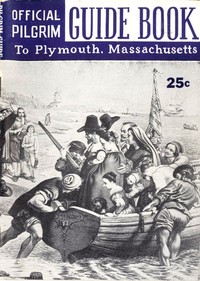
Pilgrim Guide Book to Plymouth, Massachusetts With a Brief Outline of the Pilgrim Migration and Settlement at Plymouth Book Summary
Focus on Plymouth Rock and Pilgrim Heritage: A significant portion of the book is dedicated to Plymouth Rock, traditionally marking the disembarkation point of the Mayflower Pilgrims. It delves into the stories, legends, and historical significance surrounding this site and the Pilgrims themselves, their beliefs, and their way of life.
Revisiting Early American History: Written from a 19th-century perspective, the book offers insights into how the Pilgrim story was understood and presented during that era. It provides foundational information for understanding the Pilgrim migration, the Mayflower voyage, the First Thanksgiving, and the early governance of Plymouth Colony.
1. The Power of Narrative and Legacy: The book demonstrates how historical events, particularly the Pilgrim story, were shaped and preserved through collective memory and careful documentation, even in the 17th century. It shows how the significance of Plymouth Rock and the Pilgrim landing was built over time, becoming a cornerstone of American identity and a symbol of the nation's founding ideals. The narrative emphasizes how stories, like the Pilgrims' tale of seeking religious freedom, were selectively remembered and retold to fit the national narrative of America's origins.
2. Challenges of Migration and Settlement: It vividly portrays the immense difficulties faced by the Pilgrims during their journey and settlement. This includes the cramped conditions aboard the Mayflower, the harsh New England winter, the lack of supplies, and the struggle to establish a viable community. The book highlights the resilience, resourcefulness, and sheer determination required for such a venture, teaching the reader about the fragility of early colonial endeavors and the immense courage involved.
3. Foundational Principles of American Democracy: Through the account of the Pilgrims establishing their society, the book implicitly explores early concepts of self-government, community responsibility, and the pursuit of religious liberty. While the political structure of Plymouth Colony was rudimentary compared to later developments, the Pilgrims' decision to leave England and create their own society based on their beliefs underscores the underlying American themes of freedom, separation of church and state (within their specific context), and the right of communities to govern themselves according to their conscience.
4. The Human Element in History: Despite its focus on events and locations, the book (as historical guides of its era often did) brings the human element into focus. It likely details the key figures like William Bradford (Governor) and John Alden, illustrating their roles and the personal stories within the larger historical narrative. This helps the reader connect with the past on a more personal level, understanding the motivations, hardships, and triumphs of the individuals who shaped Plymouth Colony.
This book is particularly fitting if:
- You are a student or enthusiast interested in American colonial history, specifically the Pilgrims and Plymouth Colony.
- You want to understand the historical context and significance of the Mayflower voyage and the First Thanksgiving.
- You are researching the early settlement of North America or the roots of American democracy.
- You are interested in how historical narratives were constructed and presented in the 19th century.
- You need a concise, traditional overview of the Pilgrim story for reference or foundational knowledge.
Yes, the story of Plymouth and the Pilgrims absolutely still matters today.
The legacy of the Pilgrims is deeply embedded in American culture and identity. Concepts like religious freedom, self-government, and the idea of a 'Pursuit of Happiness' (derived from the Pilgrims' quest for freedom) are foundational to the American ethos. The story of Plymouth Rock remains a major tourist attraction and a symbol of national heritage. Furthermore, the ongoing discussions about American identity, the meaning of freedom, and the nation's historical origins continue to reference the Pilgrim experience.
However, modern scholarship sometimes offers more nuanced interpretations than the traditional Pilgrim narrative presented in older guides like this one. If you wish to explore the Pilgrim story with a more critical or detailed lens, considering a newer historical work would be beneficial.
Suggest Book: The Mayflower: A Story of Courage, Community, and War by Candice Millard
Reason: Candice Millard's book provides a more comprehensive and modern account of the Mayflower voyage, the Pilgrims' journey, the establishment of Plymouth Colony, and the colony's history through the challenges of war (King Philip's War) and internal conflicts. It offers detailed research, a broader perspective, and a more critical view of the Pilgrims and their world compared to the likely more traditional and selective narrative of this 19th-century guide.
| Reading on Gutenburg | Free reading |
| Get Paperback Version on Amazon | Buy a book |
| Suggest Book : The Mayflower: A Story of Courage, Community, and War Book | Get on Amazon |
In conclusion, 'Pilgrim Guide Book to Plymouth, Massachusetts' is a concise historical overview of one of America's foundational settlements. While reflecting the perspectives and potential biases of late 19th-century historical writing, it provides essential information about the Pilgrims' migration, settlement, and legacy. It serves as a valuable, if somewhat dated, resource for understanding the Pilgrim story and its enduring significance in the context of American history and identity.