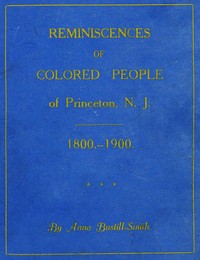
Reminiscences of Colored People of Princeton, N. J.: 1800-1900 Book Summary
Introduction
Welcome to a summary of "Reminiscences of Colored People of Princeton, N. J.: 1800-1900". This book, drawn from interviews conducted by the Historical Society of Princeton in the early 20th century, offers a unique window into the lives of African Americans in Princeton, New Jersey, during a pivotal period in American history—from the dawn of the 19th century through the era of Jim Crow laws. It's a valuable historical resource that captures personal experiences, community dynamics, and the pervasive impact of racial segregation before the Civil Rights Movement.
What is this book about?
"Reminiscences of Colored People of Princeton, N. J.: 1800-1900" compiles memories and observations from African American residents of Princeton during the 19th century. It focuses on everyday life, including work, education, family, church, and community interactions. The book provides insights into the establishment of Black institutions, the realities of navigating a segregated society, and the ways the community supported and uplifted itself. It's a collection of personal histories that paint a picture of Black Princeton before the significant demographic and social changes of the 20th century.
Key Lessons
This book offers powerful insights into resilience and adaptation. One major lesson is the strength derived from community. Despite systemic racism and limited rights, the African American residents of Princeton built vibrant networks of mutual support, from churches serving as social and spiritual centers to local businesses and informal aid systems. For example, residents shared stories of relying on community networks for jobs or shelter when facing discrimination elsewhere.
Another key takeaway is the pervasiveness of segregation. The reminiscences detail how racial boundaries shaped daily life, dictating where people could live, work, and congregate. These accounts illustrate the subtle and overt ways segregation enforced its presence, even in seemingly neutral spaces like public transportation or dining establishments. The book highlights how individuals navigated these constraints with determination and dignity.
Furthermore, the book underscores the importance of education and economic self-sufficiency as tools for survival and aspiration. Many interviewees spoke about the limited educational opportunities available, yet emphasized the value placed on literacy and the efforts made to acquire it. Economic activities, often conducted within the Black community itself, are shown as crucial for maintaining independence amidst broader economic exclusion.
Is this book fit for me?
This book is particularly valuable if you are interested in: American racial history beyond the Civil Rights era, the lived experiences of African Americans during the 19th century, the history of Princeton and other small towns in the North during segregation, or oral history methodology. It offers a ground-level view of segregation and community building. Readers interested in social history, the African American experience, or understanding the roots of racial dynamics in America will find it relevant. However, it is a primary source collection with a specific regional and chronological focus, so it might not be the best starting point for a broad overview of African American history.
Does it still matter today?
Yes, this book remains highly relevant today. Its accounts of segregation, community resilience, and the search for dignity in the face of systemic racism echo ongoing struggles. Understanding the specific ways racial inequality manifested in everyday life in the past provides crucial context for contemporary issues of racial injustice, housing discrimination, economic disparity, and the fight for equal rights. The book helps illuminate how historical patterns of segregation shaped communities and continue to influence social dynamics.
Given its historical focus, its direct applicability might be more academic or contextual than a practical guide for modern life. The specific challenges faced by Black residents of Princeton in the 19th century, while unique to that time and place, reveal enduring patterns of racial oppression and resistance.
| Reading on Gutenburg | Free reading |
| Get Paperback Version on Amazon | Buy a book |
| Suggest Book : The Warmth of Other Suns: The Epic Story of America's Great Migration Book | Get on Amazon |
Conclusion
"Reminiscences of Colored People of Princeton, N. J.: 1800-1900" is a significant historical document that provides invaluable firsthand accounts of African American life during a formative yet challenging period. It offers profound lessons about community, resilience, and the enduring impact of racism. While its direct relevance might be more historical and analytical, its exploration of fundamental human experiences under duress makes it a compelling read for anyone seeking a deeper understanding of American history and the long struggle for civil rights. The suggested book, "The Warmth of Other Suns," continues this exploration on a national scale during the Great Migration. Tags : Biographies Culture/Civilization/Society History - American