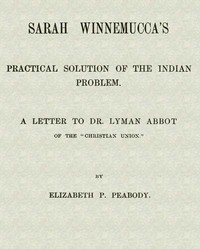
Sarah Winnemucca's Practical Solution of the Indian Problem A Letter to Dr. Lyman Abbot of the "Christian Union" Book Summary
Published in 1887, Sarah Winnemucca's Practical Solution of the Indian Problem: A Letter to Dr. Lyman Abbot of the "Christian Union" is a powerful and poignant first-person account of the injustices faced by the Paiute people in the American West. Written by Sarah Winnemucca, a Northern Paiute author, activist, and educator, this isn't a detached historical analysis, but a deeply personal plea for understanding and fair treatment. It's a remarkable document, considered the first known autobiography written by a Native American woman.
The book details Sarah Winnemucca’s life, from her childhood experiences with both Paiute and white cultures, to her work as a translator and messenger for the U.S. Army during the Paiute Wars, and ultimately, to her frustrated attempts to advocate for her people’s rights. She meticulously describes the broken treaties, the corruption of Indian Agents, the forced relocations, and the devastating effects of government policies on the Paiute way of life. Winnemucca doesn’t simply lament the past; she proposes a “practical solution” – a complete overhaul of the Indian Bureau and a focus on educating and assimilating Native Americans on their own terms, with culturally sensitive and honest leadership.
One of the most striking lessons of the book is the devastating impact of unchecked corruption within the government’s Indian Agency system. Winnemucca details how agents routinely stole supplies meant for the Paiute, exploited them for personal gain, and deliberately created conditions of hardship to maintain their power. She provides specific examples of agents falsifying reports, hoarding food, and generally acting with impunity, illustrating how these abuses directly led to starvation, suffering, and conflict. This isn’t abstract criticism; it’s a clear-eyed account of individuals whose greed and dishonesty caused immense harm.
Another crucial takeaway is the importance of understanding Native cultures from an insider's perspective. Winnemucca challenges the prevailing stereotypes of Native Americans as savage or uncivilized, offering a detailed portrayal of Paiute traditions, social structures, and values. She explains their communal way of life, their respect for nature, and their systems of governance, demonstrating a level of sophistication often overlooked by outsiders. She also highlights the hypocrisy of demanding assimilation while simultaneously denying Native Americans the resources and opportunities to succeed.
The book powerfully illustrates the futility of broken promises and the enduring consequences of treaty violations. Winnemucca meticulously recounts the treaties made between the U.S. government and the Paiute, and how those agreements were consistently ignored or rewritten to benefit settlers and the government. This pattern of betrayal eroded trust and fueled resentment, creating a cycle of conflict. The repeated breaking of faith underscores the fundamental injustice at the heart of the relationship between the U.S. government and Native American tribes.
Finally, Winnemucca's work is a testament to the power of individual agency and the importance of Native voices in shaping their own narratives. Despite facing immense discrimination and opposition, she refused to be silenced. She actively sought to educate the public about the plight of her people, and she boldly proposed her own solutions to the “Indian Problem.” Her courage and determination serve as an inspiration to those fighting for social justice and self-determination.
This book is ideal for readers who:
- Are interested in Native American history and culture.
- Want a first-hand account of the experiences of Indigenous people during the period of westward expansion.
- Are looking for a critical perspective on U.S. government policies towards Native Americans.
- Appreciate powerful, personal narratives of social injustice.
- Enjoy historical documents that offer unique insights into a complex past.
Absolutely. While written in the 19th century, the issues raised by Winnemucca – systemic injustice, cultural misunderstanding, the legacy of broken treaties, and the fight for self-determination – remain profoundly relevant today. Native American communities continue to grapple with the consequences of historical trauma, economic disparities, and political marginalization. Winnemucca’s call for honest dialogue, cultural sensitivity, and genuine partnership is as urgent now as it was over a century ago. Understanding the historical roots of these problems is essential for working towards a more just and equitable future.
| Reading on Gutenburg | Free reading |
| Get Paperback Version on Amazon | Buy a book |
| Suggest Book : An Indigenous Peoples' History of the United States Book | Get on Amazon |
Sarah Winnemucca's Practical Solution of the Indian Problem is a challenging, moving, and ultimately essential read. It’s a historical document, a personal memoir, and a passionate call to action, all rolled into one. Winnemucca’s voice, though rooted in a specific time and place, resonates with universal themes of justice, equality, and the enduring power of the human spirit. It forces readers to confront uncomfortable truths about the past and to consider their own role in shaping a more just future.