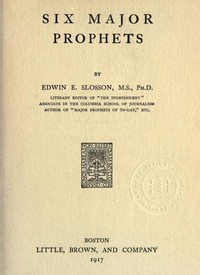
Six Major Prophets Book Summary
The Importance of Covenant Faithfulness: A central theme running through all six prophets is the idea of a covenant – a binding agreement – between God and the Israelites. The prophets consistently point out how Israel has broken this covenant through idolatry, injustice, and disregard for God's law. For example, Jeremiah repeatedly laments the people's turning away from God, comparing their faithlessness to a disloyal spouse. This highlights a crucial lesson: relationships, whether with God or with others, require faithfulness and commitment. The consequences of breaking trust, as vividly portrayed in the prophets' warnings of exile and destruction, are severe.
Social Justice as a Reflection of Religious Faith: The prophets weren't solely concerned with religious rituals; they fiercely advocated for social justice. Amos, in particular, condemns the wealthy for oppressing the poor and exploiting the vulnerable. He denounces their lavish lifestyles built on the suffering of others, declaring that God hates their empty religious observances when they are coupled with injustice. This teaches us that true faith isn't just about personal piety, but about actively working to create a more just and equitable society. Our worship is meaningless if we ignore the needs of those around us.
God's Sovereignty and Judgment: The prophecies demonstrate God's absolute control over history and his unwavering commitment to justice. The rise and fall of empires, the destruction of cities, and the exile of the Israelites are all presented as acts of God's sovereign will. However, this isn't a message of fatalism. Rather, it's a call to repentance and a warning that actions have consequences. Ezekiel's vision of the dry bones coming to life, for instance, symbolizes God's power to restore even the most hopeless situations, but only after the people acknowledge their sin and turn back to him. The book emphasizes that God is not indifferent to human suffering or injustice.
Hope and Restoration: Despite the harsh warnings of judgment, the prophets also offer a powerful message of hope. Isaiah, often called the “evangelical prophet,” contains numerous prophecies about a future Messiah who will bring peace, justice, and salvation. Even in the midst of destruction, the prophets point to a time when God will restore his people and establish a new covenant. This enduring theme of hope reminds us that even in the darkest of times, God's promises remain steadfast and his love never fails. The prophecies aren't just about past events; they point towards a future filled with possibility and redemption.
- Are interested in biblical history and prophecy.
- Want to understand the historical and cultural context of the Old Testament.
- Are exploring the foundations of Judaism and Christianity.
- Enjoy reading about themes of justice, faith, and hope.
- Are comfortable with a somewhat formal and archaic writing style (given its age).
| Reading on Gutenburg | Free reading |
| Get Paperback Version on Amazon | Buy a book |
| Suggest Book : The Prophets Book | Get on Amazon |