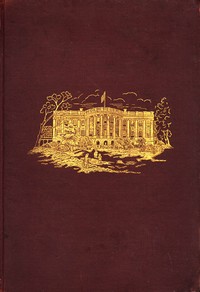
Speeches of Benjamin Harrison, Twenty-third President of the United States Book Summary
Introduction
This collection brings together the significant public addresses delivered by Benjamin Harrison during his career, including his campaigns for the presidency in 1888 and 1892. As the 23rd President of the United States, Harrison's speeches provide a valuable window into the political landscape, social concerns, and rhetorical strategies of late 19th-century America.
What is this book about?
The book, 'Speeches of Benjamin Harrison, Twenty-third President of the United States,' compiles a selection of Harrison's major public addresses. These speeches span different periods of his life, from his earlier political activities to his presidential campaigns and his time in office. They touch upon a wide range of topics central to the politics and society of the Gilded Age, including tariffs, civil service reform, the gold standard, economic issues, party politics, and foreign policy. The collection offers insight into Harrison's own political philosophy, his persuasive techniques, and the major issues debated during his era.
Key Lessons
One significant lesson from examining Harrison's speeches is the power of rhetoric and framing in shaping public opinion. His addresses often carefully constructed arguments to position his party favorably and to define key issues in a specific light. For instance, speeches advocating for protective tariffs framed them as essential for American industry and jobs, appealing to nationalist sentiments and economic protectionism. This demonstrates how politicians use language to mobilize support and define the terms of debate.
Another key takeaway is the focus on specific policy platforms and the importance of clear political messaging. Harrison's speeches consistently detailed his positions on critical issues like the Civil Service Reform Act and the gold standard. He presented these policies not just as technical matters but as fundamental to good governance, economic stability, and national prosperity. This highlights the need for politicians to articulate clear, concise, and compelling policy positions that resonate with their constituents' perceived interests.
Furthermore, the speeches reveal the dynamics of 19th-century American politics, including the intense partisanship, the role of patronage, and the challenges of national versus sectional interests. Harrison's addresses often contrasted the Republican Party's principles with those of the Democratic opposition, illustrating the ideological divides of the time. This provides valuable context for understanding the evolution of American political discourse and the struggles over economic and social policy during a period of rapid industrialization and westward expansion.
Is this book fit for me?
If you are interested in American history, particularly the late 19th century (the Gilded Age), or the evolution of presidential communication and rhetoric, this book offers valuable material. It is especially useful for:
- Students of American history seeking primary source documents on key issues and political figures of the era.
- Individuals researching the development of public speaking and political persuasion in the United States.
- Those wanting to understand the specific policy debates surrounding tariffs, civil service reform, and monetary policy during Harrison's time.
- Readers curious about the life and political career of Benjamin Harrison himself.
Does it still matter today?
Yes, these speeches remain relevant to some extent. The themes addressed by Harrison—such as economic policy debates (tariffs, trade), the balance between government regulation and individual enterprise, the role of government in society, and the challenges of national unity—continue to resonate in contemporary political discussions. His speeches offer historical context for understanding the roots of these enduring debates.
| Reading on Gutenburg | Free reading |
| Get Paperback Version on Amazon | Buy a book |
| Suggest Book : The Gilded Age: A Brief History Book | Get on Amazon |
Conclusion
In conclusion, 'Speeches of Benjamin Harrison' is a collection of primary source documents that provides direct insight into the political thought and public communication strategies of a significant American president during a transformative period. While aimed at a specific historical moment, the speeches offer valuable context for understanding the evolution of key American political and economic issues. They are a useful resource for those seeking to explore the rhetoric and policy priorities of the late 19th century.