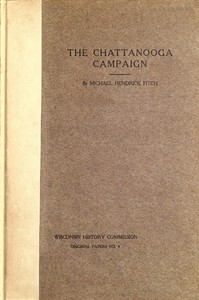
The Chattanooga Campaign: With especial reference to Wisconsin's participation therein Book Summary
This book offers valuable insights into military strategy, logistics, and the role of state-level contributions during times of national crisis. Here are some key lessons it might convey:
1. The Power of Combined Arms and Flanking Maneuvers: The Union victory at Chattanooga was largely achieved through a coordinated effort involving infantry, cavalry, and artillery, executed with a masterful flanking maneuver against the Confederate positions on Lookout Mountain and Missionary Ridge. This demonstrates the importance of unified command, strategic positioning, and attacking from unexpected angles to break entrenched enemy lines.
2. The Cruciality of Logistics and Terrain: Controlling the supply lines and navigating the challenging terrain around Chattanooga (including rivers, mountains, and the railroad) was vital for Union success. The book likely highlights how logistical support, particularly from behind the lines, enabled sustained operations and troop movements, while Confederate difficulties in resupplying contributed to their defeat.
3. The Impact of State Militias and Volunteer Regiments: By focusing on Wisconsin's participation, the book underscores the immense contribution of state-level organizations and volunteer soldiers to the Union war effort. It shows how individual states mobilized resources, trained troops, and sent them thousands of miles away to fight, forming the backbone of the Union Army. The specific actions and sacrifices of Wisconsin soldiers, while part of a larger whole, highlight the human and organizational scale of the war.
4. Breaking Through Confederate Defenses: The book details the methods used to overcome the seemingly impregnable defenses around Chattanooga. Lessons can be drawn about the importance of concentrated fire power, exploiting perceived weaknesses in enemy fortifications, and the necessity of exploiting success once a breach is made.
These lessons provide a window into the tactical and strategic thinking of the Civil War era and the very human stories behind a significant military campaign.
If you are interested in the American Civil War, particularly the Western Theater or specific campaigns like the Chattanooga struggle, this book is definitely for you. It would be valuable for:
- Civil War enthusiasts seeking detailed accounts of specific battles or strategies.
- Students of military history interested in 19th-century warfare tactics and logistics.
- Those focused on the role of individual states in the Union war effort and the contributions of specific regiments.
- Researchers or writers looking for in-depth information on Wisconsin's Civil War heritage.
- Anyone wanting to understand a key Union victory that significantly altered the course of the war in the South.
Yes, the lessons from the Chattanooga Campaign still hold relevance today, primarily in understanding strategic military operations, the importance of logistics, and the impact of decisive victories on the trajectory of conflicts.
The strategic concepts of coordinated attacks, flanking maneuvers, and exploiting enemy vulnerabilities remain fundamental principles in military doctrine worldwide. The logistical challenges faced in supplying armies in the field, regardless of era, continue to be critical factors in military planning and can determine the outcome of operations.
Furthermore, the book's focus on Wisconsin's participation offers a micro-history that reminds us of the human cost and the organized, state-level mobilization required during large-scale conflicts. While the specific context of the Civil War is unique, the book provides insights into how collective action and commitment at a state level can contribute to larger national goals.
Because this book focuses on a historical event, and while its core military lessons are timeless, if you wish to explore the broader significance or legacy of the Civil War itself, or delve deeper into Civil War logistics with a more modern perspective, you might consider reading:
suggest_book
| Reading on Gutenburg | Free reading |
| Get Paperback Version on Amazon | Buy a book |
| Suggest Book : Supplying the Union: Logistics in the Civil War North Book | Get on Amazon |