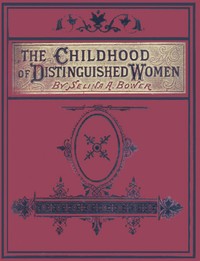
The Childhood of Distinguished Women Book Summary
Published in 1863, The Childhood of Distinguished Women, written by Martha Wentworth Tyler, offers a fascinating, though often heavily romanticized and speculative, glimpse into the formative years of notable women throughout history. It’s a product of its time, relying on anecdotes and interpretations rather than rigorous historical research as we know it today. However, it provides valuable insight into Victorian-era perceptions of female accomplishment and the qualities considered essential for success.
The book presents fictionalized accounts of the childhoods of twenty-five prominent women, ranging from ancient figures like Cleopatra and Aspasia to more contemporary (for the 1860s) figures like Queen Victoria and Maria Edgeworth. Tyler attempts to uncover the experiences, influences, and inherent traits that shaped these women into the figures history remembers. Each chapter focuses on a different woman, beginning with her birth and detailing imagined scenes from her early life, emphasizing the development of their intellect, character, and ambitions. It's less a historical document and more a collection of biographical sketches designed to inspire young readers.
One of the most striking lessons, though presented through a rather biased lens, is the emphasis on early intellectual stimulation. Tyler consistently portrays her subjects as precocious children who devoured books and engaged in thoughtful conversations from a young age. For example, she depicts young Joan of Arc as deeply religious and receptive to visions, a form of internal dialogue and belief-building that fuels her later actions. Similarly, young Elizabeth I is presented as a keen student, mastering languages and demonstrating a sharp mind. The book suggests that nurturing a child’s curiosity and providing access to knowledge are crucial for developing exceptional individuals.
Another key theme is the role of adversity in character formation. Many of the women featured experienced hardship or loss in their childhoods, which Tyler frames as opportunities for growth and resilience. Lady Jane Grey’s precarious position and the constant threat to her life are presented as fostering a quiet strength and unwavering piety. The narrative consistently suggests that overcoming obstacles builds fortitude and prepares individuals for greater challenges. This isn’t to romanticize suffering, but to highlight a perceived correlation between early struggle and eventual success, a common trope in 19th-century literature.
The book also reveals Victorian ideals regarding feminine virtue and societal expectations. While celebrating these women’s achievements, Tyler often couches them within the framework of acceptable feminine behavior for the time. For instance, even Cleopatra’s intelligence and ambition are presented alongside her beauty and charm, reinforcing the idea that a woman’s power often stemmed from her ability to attract and influence. The narratives reflect the limitations placed upon women in the 19th century, subtly suggesting that even extraordinary women needed to navigate societal constraints to achieve their goals. This makes the book a fascinating window into the prevailing attitudes toward women and their potential during that era.
Finally, The Childhood of Distinguished Women underscores the power of imagination and storytelling. Tyler, lacking extensive historical records, freely invents scenes and internal monologues to bring her subjects to life. While this compromises the book's historical accuracy, it demonstrates the human need to understand the past through narrative and to create compelling stories about those who have shaped it. The book itself is a testament to the enduring influence of myth and legend in shaping our perceptions of historical figures.
This book is ideal for readers who:
- Are interested in Victorian-era perspectives on women's history.
- Enjoy biographical sketches, even if fictionalized.
- Appreciate a glimpse into the societal expectations and ideals of the 19th century.
- Are looking for inspiring (though potentially idealized) stories about female ambition and achievement.
- Don't require strict historical accuracy and are comfortable with a romanticized narrative.
Yes, The Childhood of Distinguished Women still matters today, primarily as a historical artifact. It’s a valuable source for understanding how Victorian society viewed and interpreted the lives of remarkable women. However, its lack of rigorous historical methodology and its tendency towards romanticization mean it shouldn't be taken as factual biography. To gain a more nuanced and accurate understanding of women's history, it's essential to supplement this book with modern scholarship.
The next book to read should be A Room of One's Own by Virginia Woolf. While Tyler focuses on the imagined origins of female greatness, Woolf directly addresses the systemic obstacles that have historically prevented women from achieving their full potential. Woolf’s essay provides a critical framework for examining the social and economic conditions that shaped women’s lives, offering a compelling counterpoint to the more celebratory and often uncritical approach of Tyler’s work.
| Reading on Gutenburg | Free reading |
| Get Paperback Version on Amazon | Buy a book |
| Suggest Book : A Room of One's Own Book | Get on Amazon |
The Childhood of Distinguished Women is a curious and revealing book. While not a reliable historical source, it offers a fascinating insight into Victorian perceptions of female accomplishment and the qualities considered essential for success. Its enduring value lies in its ability to spark reflection on the ongoing quest to understand and celebrate the lives of women throughout history.