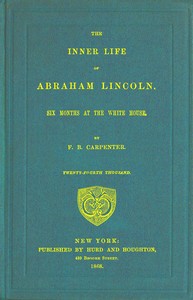
The inner life of Abraham Lincoln Book Summary
The Inner World of a Great Leader
Abraham Lincoln remains one of the most revered figures in American history, known for his leadership during the Civil War and his efforts to preserve the Union and abolish slavery. But beyond the public figure lies a complex inner life—a world of thoughts, feelings, and struggles that shaped his actions and decisions. This book, "The Inner Life of Abraham Lincoln," delves into that private dimension, offering readers a glimpse into the mind and heart of the 16th President.
Exploring the Private Lincoln
"The Inner Life of Abraham Lincoln" is not a political biography focusing solely on major events like the Civil War or the Gettysburg Address. Instead, it compiles essays and analyses that explore Lincoln's personal writings, his relationships, his psychological makeup, and his philosophical outlook. The book aims to reconstruct and understand Lincoln's inner world—the thoughts he expressed and those he kept private, his motivations, his vulnerabilities, his resilience, and his profound sense of duty and morality. It looks beyond the caricature and the caricatures to the real, complex, and surprisingly human individual who became the leader of a nation in crisis.
Key Insights from the Inner World of Lincoln
1. **The Power of Self-Awareness and Humility:** Lincoln possessed a deep understanding of his own limitations and weaknesses. He often wrote about his failures and was acutely aware of his humble origins compared to the Eastern élites. This self-awareness fueled his drive to learn and improve, making him more relatable and effective. For example, his famous Autobiography reveals a man focused on self-improvement through reading and diligent work.
2. **Indomitable Resilience and Perseverance:** Facing repeated electoral defeats, personal tragedies (like the death of his wife and sons), and the immense pressures of preserving the Union during war, Lincoln demonstrated extraordinary resilience. His inner life reveals a capacity to endure immense suffering and maintain focus on a seemingly impossible goal. His famous Gettysburg Address, delivered during a time of national trauma, exemplifies this unwavering determination.
3. **Deep Empathy and Understanding:** Lincoln's inner world shows a remarkable capacity for empathy. He understood the suffering of others, particularly enslaved people, but also the fears and perspectives of Confederates and even his own critics. This empathy allowed him to connect with the masses and craft policies, like the Emancipation Proclamation, that addressed the profound injustices of his time.
4. **Moral Compass and Principles:** Despite personal losses and political compromises, Lincoln held firm to core principles: preserving the Union (as he initially defined it) and, ultimately, ending slavery. His inner thoughts, often expressed through his speeches and writings, reveal a deep-seated belief in justice, equality (though imperfectly applied in his time), and the enduring strength of democratic ideals.
Who Should Read This Book?
This book is ideal for readers interested in:
- A deeper understanding of Abraham Lincoln beyond standard historical accounts.
- Exploring the psychological aspects of influential historical figures.
- The intersection of personal life and public action.
- American history, particularly the Civil War era.
- Human nature, resilience, and leadership qualities.
If you appreciate nuanced, thoughtful analysis of historical figures and want to explore the 'why' behind their actions, this collection offers rich insights.
Does It Still Matter Today?
Yes, profoundly. In an age often focused on speed, efficiency, and surface-level achievements, revisiting Lincoln's inner life reminds us of the importance of:
- **Self-reflection and humility:** Essential for personal growth and ethical leadership.
- **Resilience in the face of adversity:** A crucial quality for individuals and societies dealing with ongoing challenges.
- **Empathy and understanding:** Vital for navigating complex social issues and fostering unity in diverse societies.
- **Upholding moral principles:** Even when faced with immense pressure and conflicting demands.
Lincoln's journey from a poor backwoods lawyer to the leader who guided a fractured nation through its greatest crisis offers timeless lessons about character, perseverance, and the enduring quest for justice.
| Reading on Gutenburg | Free reading |
| Get Paperback Version on Amazon | Buy a book |
| Suggest Book : Lincoln Book | Get on Amazon |
A Journey into Character
"The Inner Life of Abraham Lincoln" is more than just history; it's an exploration of character under pressure. By peering into the thoughts and feelings that drove one of America's most consequential leaders, readers gain a richer, more human understanding of Lincoln. His inner struggles, his profound empathy, his unwavering resilience, and his deep moral convictions are not just artifacts of the past but enduring qualities that continue to resonate and inspire. This book provides a compelling portrait of a man whose inner world was as vast and complex as the nation he sought to save.