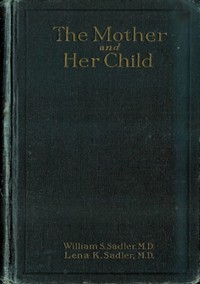
The Mother and Her Child Book Summary
Published in 1915, The Mother and Her Child by Lena Milikowska is a fascinating glimpse into early 20th-century approaches to childcare and maternal education. Written originally in Polish and translated into English, the book reflects a blend of scientific understanding (for the time) and traditional wisdom, aiming to empower mothers with knowledge about their children's development and well-being. It's a product of its era, steeped in the social norms and expectations surrounding motherhood prevalent then.
This book is a comprehensive guide for mothers, covering a child’s development from conception through the first few years of life. Milikowska addresses topics like prenatal care, infant feeding (including a strong advocacy for breastfeeding), sleep, hygiene, play, and early education. She doesn't just offer instructions; she explains the *why* behind them, grounding her advice in observations of child behavior and the then-current understanding of physiology. A significant portion is dedicated to understanding a child’s temperament and responding to their individual needs, rather than imposing rigid schedules. It also touches upon the mother's own physical and emotional health as crucial to the child's well-being.
One of the most striking lessons from The Mother and Her Child is the emphasis on observing the individual child. Milikowska repeatedly urges mothers to pay close attention to their child’s unique signals, preferences, and rhythms. She argues against a ‘one-size-fits-all’ approach to parenting, recognizing that each child is different and requires tailored care. For example, she discusses how feeding schedules should be adjusted based on the baby’s hunger cues, rather than strictly adhering to a timetable. This idea, while seemingly basic now, was a relatively progressive concept in the early 1900s, when stricter, more regimented childcare practices were common.
Another key takeaway is the importance of the mother-child bond. Milikowska stresses the profound impact of a loving and secure attachment on a child’s emotional and intellectual development. She advocates for frequent physical contact, responsive caregiving, and creating a nurturing environment. She details how a mother’s calm and reassuring presence can soothe a fussy baby, and how consistent affection builds trust and confidence. This focus on emotional connection foreshadows later attachment theory work by figures like John Bowlby and Mary Ainsworth.
The book also highlights the critical role of play in learning. Milikowska doesn’t view play as mere frivolous activity; instead, she sees it as the primary way children explore the world, develop their senses, and acquire new skills. She suggests providing children with a variety of stimulating toys and opportunities for imaginative play, and encourages mothers to participate actively in their children’s games. She provides examples of age-appropriate activities, emphasizing the importance of allowing children to lead and experiment. This is a precursor to modern play-based learning philosophies.
Finally, Milikowska underscores the necessity of maternal self-care. She acknowledges the demanding nature of motherhood and emphasizes that a mother’s physical and emotional well-being directly impacts her ability to care for her child. She advises mothers to prioritize rest, nutrition, and mental stimulation, and to seek support when needed. She even addresses the importance of a mother maintaining her own interests and social connections, arguing that this prevents burnout and fosters a more balanced and fulfilling life. This holistic view of motherhood is remarkably forward-thinking for its time.
You might find this book interesting if:
- You are fascinated by the history of childcare practices.
- You appreciate a gentle, observational approach to parenting.
- You are interested in the early development of psychological theories related to mother-child relationships.
- You enjoy reading about historical social norms surrounding motherhood.
- You are looking for a perspective on parenting that prioritizes intuition and responsiveness.
While some of the medical advice in The Mother and Her Child is outdated (given the advancements in medical science since 1915), the core principles of attentive observation, nurturing the mother-child bond, and recognizing the importance of play remain profoundly relevant. The book serves as a valuable reminder that good parenting isn't about following rigid rules, but about understanding and responding to the unique needs of each child. However, its strong emphasis on traditional gender roles and the mother as the primary caregiver might feel restrictive to some modern readers.
Yes, it still matters today, but as a historical document offering insights into evolving parenting philosophies. To delve deeper into the modern understanding of attachment and child development, a more contemporary work would be beneficial.
| Reading on Gutenburg | Free reading |
| Get Paperback Version on Amazon | Buy a book |
| Suggest Book : Attached: The New Science of Adult Attachment and How It Can Help YouFind - and Keep - Love Book | Get on Amazon |
The Mother and Her Child is a charming and insightful book that offers a unique window into the world of early 20th-century motherhood. While some of its advice is dated, its enduring message about the importance of love, observation, and responsiveness continues to resonate with parents today. It’s a worthwhile read for anyone interested in the history of parenting or seeking a reminder of the fundamental principles of good childcare.