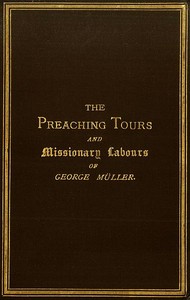
The Preaching Tours and Missionary Labours of George Müller (of Bristol) Book Summary
The book offers several profound lessons drawn from George Müller's life:
1. The Power of Total Dependence on God's Provision: Müller's ministry was characterized by a radical belief that God would supply all necessary resources for his missions and orphanages. He often undertook journeys and projects with seemingly meagre funds, yet returned with surplus money and successful outcomes. This wasn't mere optimism; it was a deep, experiential faith. For example, his practice of fasting and praying for financial support before making requests cultivated an atmosphere of expectancy, which he believed led to divine provision far exceeding initial needs. This teaches a lesson in radical trust and stewardship, moving beyond mere financial giving to encompass total dependence on God for all aspects of life.
2. The Importance of Persistent Prayer and Seeking God's Will: Müller's success was attributed to his fervent and persistent prayer life. He believed that his entire ministry was guided and enabled by God's direction. Before embarking on tours or launching new missionary efforts, extensive prayer and fasting were common. He sought God's face not just for provision but for wisdom, guidance, and the strategic timing of his actions. This emphasizes prayer not as a last resort but as the primary means of discernment and empowerment. The lesson here is the necessity of cultivating a deep, persistent prayer life focused on aligning one's entire life and work with God's purposes.
3. The Impact of Purity and Holiness on Missionary Work: Müller placed a high value on the moral and spiritual purity of those involved in his missionary work, particularly the young women in his orphanage. He maintained strict standards, believing that a life reflecting God's holiness was essential for bearing witness and effectively representing Christ. While this approach has been debated, the lesson underscores the significance of character and moral integrity in Christian witness and service. It suggests that the way Christians live directly impacts their ability to communicate the Gospel effectively and win souls.
4. Fasting and Spiritual Discipline as Keys to Faith: Müller practiced frequent fasting as a spiritual discipline, linking it directly to his experiences of answered prayer and divine provision. He saw fasting not merely as self-denial but as a means of deepening dependence on God, increasing faith, and clearing the mind and heart for divine revelation and power. This highlights the value of spiritual disciplines, particularly those involving self-denial, in strengthening one's relationship with God and enabling faith to move mountains.
These lessons collectively emphasize a model of ministry centered on deep prayer, absolute trust in God's provision, and a commitment to high moral standards.
This book is particularly fit for the following readers:
- Those interested in the history of Christian missionary movements, especially in the 19th century.
- Individuals seeking inspiration from stories of unwavering faith and practical Christian living.
- People exploring the concept of divine provision and financial stewardship from a faith-based perspective.
- Those interested in the life and teachings of George Müller specifically.
- Readers who appreciate narratives emphasizing prayer, perseverance, and reliance on God.
Yes, George Müller's story and the principles he exemplified continue to matter today. His emphasis on prayer, faith-based giving, and reliance on God's provision remains relevant in contemporary discussions about Christian finances, mission strategy, and personal spiritual disciplines. His life serves as a powerful testimony to the potential for God to work through faith-filled individuals to accomplish seemingly impossible tasks. While the specific historical context differs, the underlying themes of dependence on God, the power of prayer, and the pursuit of a godly character are timeless and applicable to modern Christian life and mission.
Therefore, I suggest reading suggest_book The Power of Now by Eckhart Tolle.
Why this book? While seemingly unrelated at first glance, "The Power of Now" offers a complementary perspective. It emphasizes living fully in the present moment, which aligns with Müller's focus on seeking God's face and direction in the present. Tolle's teachings on mindfulness can actually deepen one's prayer life and awareness of God's presence, enhancing the spiritual discipline aspect highlighted by Müller's life. Both books encourage a deeper connection with the present reality, though Müller focuses on faith and provision, while Tolle focuses on consciousness and mindfulness.
| Reading on Gutenburg | Free reading |
| Get Paperback Version on Amazon | Buy a book |
| Suggest Book : The Power of Now Book | Get on Amazon |