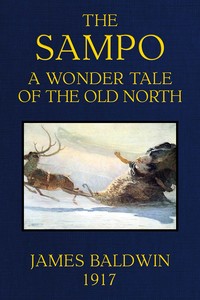
The Sampo: A Wonder Tale of the Old North Book Summary
The Sampo tale offers profound insights into human nature and societal values, lessons that resonate even today:
1. The Danger of Unlimited Greed: King Kotka's relentless pursuit of the Sampo, despite already having immense wealth and power, is the driving force of the story. His desire for more, for the infinite prosperity offered by the mill, blinds him to the consequences. Even after retrieving the Sampo, his actions are driven by a need to hoard and protect it from perceived threats, ultimately leading to conflict and the mill's destruction. The lesson here is stark: endless accumulation for its own sake can lead to downfall, conflict, and the loss of what was once valuable. It warns against prioritizing material wealth over security and relationships.
2. The Value of Community and Shared Well-being: The narrative emphasizes the importance of the community and the 'tribe'. King Kotka's initial possession of the Sampo brings prosperity only to himself and his own household, neglecting the needs of his people. This imbalance creates resentment and ultimately leads to the mill's destruction by the combined actions of the women of his tribe. Conversely, the peaceful life enjoyed by the people of Kyyminkoski before the quest, despite their relative poverty compared to Pohjola, is portrayed as harmonious. The story suggests that true wealth lies not just in material abundance but in shared prosperity, community bonds, and mutual support. The Sampo, despite its wonders, fails to bring lasting peace and happiness when it benefits only the individual.
3. The Relationship Between Wealth and Happiness: The Sampo promises infinite wealth and comfort, yet the story implies that this does not equate to happiness or security. The characters who seek it, like King Kotka, are motivated by tangible desires, but the acquisition and subsequent attempts to safeguard it lead to anxiety and conflict. Furthermore, the mill's destruction, while devastating, highlights the fragility of relying solely on material wealth. The community's response to losing the Sampo underscores their deeper connection to each other and their ability to survive collectively without it. The tale suggests that happiness and security are found in relationships, community, and inner contentment, not just in the accumulation of material goods. True wealth is often intangible and relational.
This story is ideal if you:
- Have an interest in folklore, mythology, or traditional stories from around the world.
- Enjoy tales with clear moral lessons about human nature and societal values.
- Are looking for a quick, engaging read that packs a thematic punch.
- Want to understand the cultural significance of Finnish mythology and the Kalevala.
- Appreciate stories that explore fundamental questions about greed, community, and the nature of wealth.
- Are seeking content that offers timeless wisdom relevant to modern life.
| Reading on Gutenburg | Free reading |
| Get Paperback Version on Amazon | Buy a book |
| Suggest Book : The Lord of the Rings Book | Get on Amazon |