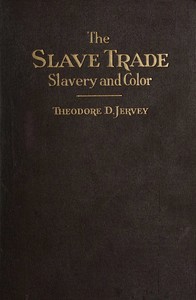
The slave trade Book Summary
Introduction
The transatlantic slave trade stands as one of the most horrific chapters in human history. John E. Woods' "The Slave Trade" meticulously documents this dark period, moving beyond simplistic narratives to explore the complex economic, political, and social forces that sustained the buying, selling, and trading of human beings for centuries. This book doesn't shy away from the brutal realities while also analyzing the systems that enabled this tragedy on a massive scale.
What is this book about?
"The Slave Trade" by John E. Woods provides a comprehensive historical account of the transatlantic slave trade, spanning from the 15th to the 19th century. The book examines the origins of the trade, the routes it followed across the Atlantic, and the brutal conditions endured by enslaved Africans during the Middle Passage. It delves into the economic motivations driving European powers, the role of African societies in the trade (including the capture and sale of their own people), and the devastating impact on Africa and the lives of those forcibly brought to the Americas. Woods aims to present a detailed, often uncomfortable, picture of this global system of human bondage.
Key Lessons
The book powerfully illustrates how economic systems can become built on profound human cruelty. It demonstrates that slavery wasn't just a moral failing but a cornerstone of the economies of many European nations and the American colonies. For instance, the wealth generated from plantations in the Americas was heavily reliant on the labor of enslaved Africans, fueling industrialization in Europe.
It highlights the devastating demographic and social impact on Africa. Millions of people were removed, disrupting societies, economies, and cultural continuity. The book also subtly encourages critical thinking about modern global trade systems by revealing how historical injustices shaped the world economy, showing that seemingly neutral economic processes can have deeply unjust roots.
Furthermore, Woods emphasizes that the slave trade was not a spontaneous event but a long-standing, organized system involving complex political alliances, trade networks, and brutal violence. Understanding this complexity is crucial to appreciating the scale and endurance of the injustice.
Finally, the book serves as a stark reminder of the devastating consequences of dehumanization and the importance of ethical considerations in economic and political decisions. It shows how easily societies can justify immense suffering when human beings are treated as commodities.
Is this book fit for me?
If you are interested in:
- World history, particularly the Age of Exploration and colonization.
- The history of slavery and human rights violations.
- Understanding the economic roots of modern capitalism and inequality.
- Learning about the African perspective on the slave trade.
- Seeking a well-researched, detailed account of a dark period in history.
Then "The Slave Trade" is likely an excellent fit for you.
Does it still matter today?
Absolutely. The legacy of the slave trade continues to influence the modern world. It provides crucial context for understanding patterns of racial inequality, economic disparities, and social stratification that persist in many societies today. The book helps readers grasp the historical roots of systemic racism and the enduring impact of forced labor and human trafficking in the modern era. Understanding this history is vital for addressing ongoing issues of justice and equality.
Because of its enduring relevance, I suggest reading "The Half Has Never Been Told: Slavery and Exopolitics in the United States" by Edward E. Baptist. This book offers a fresh perspective on American history, arguing that the slave economy itself was a unique form of capitalism that fueled American industrialization and global power. It complements Woods' work by focusing specifically on the American context but providing insights that connect back to the broader transatlantic system.
| Reading on Gutenburg | Free reading |
| Get Paperback Version on Amazon | Buy a book |
| Suggest Book : The Half Has Never Been Told Book | Get on Amazon |
Conclusion
John E. Woods' "The Slave Trade" is a vital and meticulously researched work that sheds light on a period of history marked by unimaginable cruelty and lasting impact. It goes beyond the surface-level narrative to explore the complex systems and motivations behind the transatlantic slave trade. By understanding this dark history, we gain crucial insights into the forces that shaped our modern world and the ongoing struggle for human rights and justice. This book is essential reading for anyone seeking a deeper understanding of history, economics, and the enduring fight against inequality.