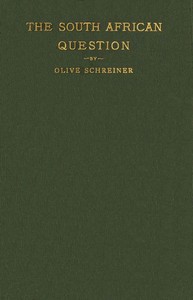
The South African Question Book Summary
Introduction
"The South African Question" is a collection of articles originally published in the journal Encounter in the early 1950s. Authored by prominent intellectuals and politicians of the time, including figures like Stephen Spender and Arthur Koestler, the book offers a snapshot of Western perspectives on the political and social crisis gripping South Africa just before and during the early years of the National Party's rule and the institutionalization of apartheid. It's a historical document capturing anxieties and analyses from a specific moment in Cold War history.
What is this book about?
"The South African Question" compiles essays that dissect the rise of the National Party in South Africa and the subsequent establishment of apartheid (separatism and 'apartheid'). The contributors explore the complex factors behind this political shift, including economic pressures, the role of Afrikaner nationalism, the international response, and the perceived threat to Western interests and ideologies (particularly communism). They debate the legitimacy of the new regime, the future trajectory of South Africa, and the potential consequences for the African continent and the global political landscape. The book reflects the bewilderment and alarm felt by many in the West facing a seemingly irrational and brutal experiment in racial segregation in a strategically important region.
Key Lessons
The essays in "The South African Question" provide several enduring insights, primarily concerning the dynamics of racial politics, the interpretation of power, and the challenges of international influence:
Understanding Racial Ideology and Nationalism: The book attempts to unravel the roots of Afrikaner nationalism, presenting it not just as a reaction to external threats but as a profound internal transformation rooted in historical grievances, religious interpretations, and a desire for political control. It highlights how racial ideologies can become deeply embedded within a society, gaining legitimacy through political power and institutional support, moving beyond mere prejudice. For instance, contributors analyze how the National Party framed its policies, appealing to notions of cultural distinctiveness and religious purity to justify segregation and eventual apartheid.
The Limits of International Intervention and Influence: A recurring theme is the difficulty the West faced in effectively responding to the South African situation. While condemning apartheid, Western powers often prioritized strategic interests (like access to minerals or countering communism) over principled opposition. The book captures the tension between moral outrage and geopolitical pragmatism, showing how international pressure was often insufficient to halt the consolidation of the apartheid regime. This serves as a lesson in the complexities of foreign policy and the potential for complicity when ideological alignment outweighs ethical considerations.
The Danger of Misreading Political Shifts: The contributors express concern about the rapid and seemingly irrational nature of the political changes in South Africa. They grapple with understanding the motivations of the National Party beyond simple economic or communist threats, suggesting that overlooking the depth of racial consciousness and nationalist fervor in South Africa could lead to miscalculations about its stability and intentions. This underscores the importance of looking beneath surface-level political slogans to grasp the underlying social and psychological forces driving change.
The Human Cost of Ideology: While perhaps less explicit than later analyses, the essays implicitly point to the devastating human consequences of the apartheid policies. They discuss the immediate impacts on South African society and hint at the broader implications for Africa and the Cold War balance, laying groundwork for the later, more focused condemnation of the system. This reminds us that political ideologies, when implemented with state power, invariably have profound and often brutal effects on ordinary people.
Is this book fit for me?
This collection is ideal for readers interested in:
- The history of South Africa and the transition from minority rule to apartheid.
- Understanding the specific anxieties and perspectives of Western intellectuals and policymakers during the Cold War era.
- The dynamics of racial segregation and the rise of nationalist movements in the mid-20th century.
- The complexities of international relations and the challenges of applying principles like human rights in a world of competing interests.
- Historical context for the later struggles against apartheid and the broader African decolonization movement.
- Primary source perspectives from a unique period, offering a 'fly-on-the-wall' view of global reactions to a major crisis.
Does it still matter today?
Yes, "The South African Question" remains relevant for several reasons:
First, it offers invaluable historical perspective on the roots and consolidation of apartheid, providing context for understanding similar racial and nationalist conflicts elsewhere. The insights into how exclusionary ideologies gain power and the mechanisms of institutionalized discrimination are timeless lessons.
Second, the book illuminates the perennial challenges of international engagement with problematic regimes, the tension between national interests and moral principles, and the difficulties in achieving consensus on human rights. These issues continue to resonate in contemporary international affairs.
Third, it serves as a reminder of the consequences when societies prioritize identity and division over unity and justice. The brutal pragmatism of the apartheid state and the global ambivalence it sometimes inspired offer cautionary tales about governance and human dignity.
Therefore, The Apartheid Years: South Africa, 1948-1994 would be a valuable next read. It provides a more detailed, chronological, and comprehensive account of the period covered by "The South African Question," delving deeper into the lived experiences, internal debates, and eventual downfall of the apartheid system, building upon the foundational understanding provided by the original collection.
| Reading on Gutenburg | Free reading |
| Get Paperback Version on Amazon | Buy a book |
| Suggest Book : The Apartheid Years: South Africa, 1948-1994 Book | Get on Amazon |
Conclusion
"The South African Question" is a fascinating, if dated, collection that captures a critical moment in world history through the lens of Western thought. While its Cold War framing might feel distant to modern readers, its exploration of racial ideology, political upheaval, international relations, and the human impact of exclusionary policies retains significant value. It serves as both a historical record and a cautionary tale, reminding us of the dangers of ideological rigidity, the complexities of global politics, and the enduring struggle against oppression. Understanding this period is crucial for grasping the full arc of South Africa's history and the ongoing global conversations about race, rights, and justice.