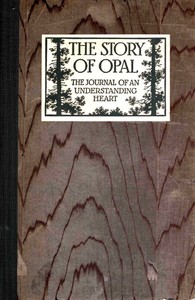
The Story of Opal: The Journal of an Understanding Heart Book Summary
The Story of Opal: The Journal of an Understanding Heart is a unique and enchanting book that presents the diary of a young girl named Opal Whiteley. Originally published in 1920, the book is a collection of Opal's childhood writings, which she kept from the age of five to seven. The journal entries are written in a charming, phonetic style that reflects Opal's imaginative and curious nature. The book provides a glimpse into the mind of a highly creative and sensitive child, as she explores the natural world around her and finds wonder in everyday life.
The Story of Opal is about the daily life and observations of a young girl named Opal Whiteley, who lives in a lumber camp in Oregon. The book is structured as a series of diary entries where Opal describes her interactions with nature, animals, and the people around her. She gives names to the plants and animals she encounters, such as "Thomas Chatterton Jupiter Zeus," a crow, and "Lars Porsena of Clusium," a tree. Opal's writings are filled with a sense of wonder and a deep connection to the natural world, as well as a longing for her absent mother, whom she refers to as "the mamma." The book is a celebration of childhood imagination and the beauty of the natural world.
- The Power of Imagination: Opal's diary showcases the boundless imagination of a child. She sees the world through a unique lens, where every plant and animal has a personality and story. For example, she names a crow after a poet and a tree after an Etruscan king, demonstrating her creativity and the way she imbues the natural world with meaning.
- Connection to Nature: Opal's deep connection to nature is evident throughout her writings. She spends much of her time exploring the forest, observing animals, and interacting with plants. This connection highlights the importance of nature in fostering a sense of wonder and curiosity in children.
- Resilience and Hope: Despite facing challenges and longing for her mother, Opal remains resilient and hopeful. Her writings reflect a sense of optimism and a belief in the goodness of the world around her, even in difficult times.
- The Importance of Childhood: The book serves as a reminder of the value of childhood and the unique perspective that children bring to the world. Opal's innocent and unfiltered observations offer a refreshing and insightful look at life.
This book is a good fit for readers who:
- Enjoy reading about nature and the outdoors.
- Appreciate the innocence and creativity of childhood.
- Are interested in unique and unconventional writing styles.
- Are looking for a heartwarming and uplifting read.
Yes, The Story of Opal still matters today. The themes of imagination, connection to nature, and the resilience of the human spirit are timeless and continue to resonate with readers of all ages. The book offers a valuable perspective on the importance of preserving the wonder and curiosity of childhood, which is especially relevant in today's fast-paced and technology-driven world.
| Reading on Gutenburg | Free reading |
| Get Paperback Version on Amazon | Buy a book |
| Suggest Book : Braiding Sweetgrass: Indigenous Wisdom, Scientific Knowledge, and the Teachings of Plants Book | Get on Amazon |
The Story of Opal: The Journal of an Understanding Heart is a timeless classic that offers a unique and enchanting glimpse into the mind of a young girl. Through her imaginative and poetic writings, Opal Whiteley invites readers to see the world through the eyes of a child, filled with wonder, curiosity, and a deep connection to nature. The book's themes of imagination, resilience, and the importance of childhood are as relevant today as they were when the book was first published. For those who enjoy The Story of Opal, I recommend reading Braiding Sweetgrass: Indigenous Wisdom, Scientific Knowledge, and the Teachings of Plants by Robin Wall Kimmerer, which explores similar themes of our connection to nature and the wisdom that can be gained from the natural world.