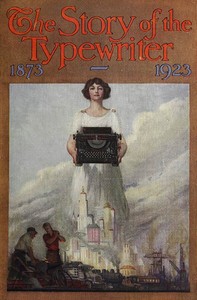
The Story of the Typewriter, 1873-1923 Book Summary
Introduction
The typewriter, often seen as a tool for office work, holds a fascinating history intertwined with technological innovation, social change, and economic forces. "The Story of the Typewriter, 1873-1923" takes readers on a journey from the invention of the first practical typewriter to the widespread adoption of these machines in the early 20th century. This narrative explores not just the mechanics of typing, but the impact of this revolutionary device on society, business, and even language itself during a transformative period in history.
What is this book about?
This book chronicles the development and evolution of the typewriter from its inception in the 1870s until the dawn of the modern age around 1920. It details the key inventors and companies involved, the technological improvements made over the decades (like the QWERTY keyboard layout becoming standard), the changing designs (from manual to electric models), and the increasing commercialization of the typewriter. Furthermore, it examines the typewriter's profound impact on women's roles in the workforce, office culture, communication standards, and the very nature of written work during this era.
Key Lessons
The book offers several key insights:
1. Technology's Societal Impact: The typewriter wasn't just a mechanical invention; it fundamentally changed how people worked and communicated. It created entirely new job roles and shifted the perception of office work. For example, the rise of office work increased demand for trained typists, often women, opening up significant employment opportunities during a time when many women desired such roles.
2. How Innovation Spreads: The book illustrates how technological adoption isn't just about invention but also marketing, standardization, and mass production. Companies like Remington played crucial roles in popularizing the typewriter through effective advertising and establishing industry standards, much like modern software companies establish platforms today.
3. The Evolution of Standardization: The seemingly random QWERTY keyboard layout, which we take for granted, became standard not because it was the most efficient, but due to a practical compromise and the influence of early manufacturers. Understanding this history adds a layer of context to our everyday interaction with keyboards.
4. Economic Transformation: The typewriter industry represented a major shift towards industrialization and the service economy. It created wealth and jobs but also required significant investment in training and infrastructure, mirroring the economic shifts seen with other transformative technologies.
5. Linguistic and Communication Effects: The speed and formality associated with typewritten documents influenced business communication styles. The physical act of typing also made errors more visible and costly, driving improvements in spelling and grammar usage in professional settings.
Is this book fit for me?
If you are interested in the history of technology, the social history of the 19th and early 20th centuries, the evolution of office culture, or the impact of inventions on society and employment, this book is highly recommended. It provides valuable context for understanding the development of the modern office and the digital age that followed. Readers who enjoy detailed historical accounts that connect past innovations to present-day realities will find this book particularly engaging. It's suitable for anyone curious about how everyday tools shape our world.
Does it still matter today?
Absolutely. Understanding the history of the typewriter helps illuminate the trajectory of office technology and the information age. The typewriter was a precursor to the personal computer and the digital revolution. Its history shows the long arc from mechanical typing to digital input, highlighting themes like standardization (QWERTY), the deskilling and reskilling associated with technological change, and the central role of documentation and communication in business and society. The challenges typewriter manufacturers faced (like competition and adapting to new needs) echo the challenges of modern tech companies. It reminds us that the tools we use today are the culmination of long, complex historical processes.
| Reading on Gutenburg | Free reading |
| Get Paperback Version on Amazon | Buy a book |
| Suggest Book : The Innovators: A History of the Computer and the Modern Age Book | Get on Amazon |
Conclusion
In conclusion, "The Story of the Typewriter, 1873-1923" provides a rich and detailed account of a pivotal invention and its far-reaching consequences. It moves beyond the simple mechanics of typing to explore a fascinating slice of history where technology, industry, and social change converged. Reading this book offers valuable perspective on the past evolution of our tools and the enduring legacy of the typewriter in shaping the modern professional world.