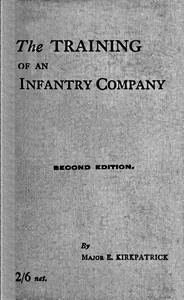
The training of an infantry company Book Summary
Introduction
This book provides a detailed and intimate look into the daily life, training, and combat experiences of British infantry soldiers during World War I, as seen through the eyes of an officer involved in their training. It offers valuable historical insight and a ground-level perspective on one of history's most defining conflicts.
What is this book about?
Authored by an anonymous British officer (sometimes identified as Lieutenant-Colonel Sir Percy Halkett, though authorship remains debated), the book chronicles the formation, training, and deployment of an infantry company from its establishment to its experiences on the Western Front. It details the physical and psychological preparation of the soldiers, the organizational structure, the challenges faced during training, and the grim realities of trench warfare. The narrative covers periods of intense drill, garrison duties, and significant battles, offering a comprehensive view of infantry operations during that era.
Key Lessons
1. **The Crucial Role of Discipline and Drill:** The book emphasizes that effective combat performance relies heavily on rigorous, repetitive training. Soldiers must internalize basic procedures (like bayonet drill, grenade throwing, or forming ranks under fire) to function as a cohesive unit under extreme duress. The officer describes countless hours of practice, even in mundane conditions, to ensure muscle memory and instinctive reactions develop. Example: The meticulous teaching of bayonet charges, despite their increasing futility and cost, highlights the desperate measures and the need for soldiers to be prepared for close-quarters combat.
2. **The Reality of Trench Warfare:** Beyond the romanticized notions of the time, the book starkly portrays the brutal conditions soldiers endured. This includes constant shelling, the ever-present threat of gas attacks, the horrors of lice and disease (like trench foot), and the psychological toll of witnessing comrades killed or maimed. It underscores the difference between theoretical preparedness and the lived experience of prolonged, brutal conflict. Example: Descriptions of soldiers struggling with the physical agony of trench foot, a common disease resulting from constant wetness and poor sanitation, illustrate the harsh realities beyond just combat.
3. **Leadership and Morale:** Effective leadership is presented as paramount. Officers and NCOs are shown guiding, motivating, and caring for their men, but also making grim decisions under pressure. The book highlights the importance of maintaining troop morale, which could be easily shattered by the horrors of war. This involves clear communication, empathy, and leading by example. Example: A captain might calmly oversee the distribution of rations during a lice infestation, demonstrating resilience and ensuring fairness, thereby boosting the men's spirits amidst hardship.
4. **The Evolution of Tactics and Technology:** The text reflects the adaptation required as the war progressed. Early optimistic tactics (like large-scale set-piece battles) gave way to more pragmatic, often desperate, methods (like 'creeping' assaults, use of machine guns for defense, and developing rudimentary trench systems). It shows how infantry tactics were constantly refined in response to enemy actions and technological advancements like machine guns and poison gas. Example: The shift from initial, poorly coordinated frontal assaults to more cautious, No-Man's-Land patrols aimed at gathering intelligence or disrupting enemy defenses.
5. **The Human Element:** Despite the focus on procedures and battles, the book humanizes the soldiers. It touches upon their fears, their camaraderie, their moments of bravery and despair. It serves as a reminder that these were real people facing unimaginable circumstances, highlighting the immense courage and endurance required. Example: Accounts of small acts of bravery, like a single soldier holding a machine gun against overwhelming odds, illustrate individual heroism within the larger context of mass slaughter.
Is this book fit for me?
Yes, if you are interested in:
- Military history, specifically World War I and infantry tactics.
- The experiences of soldiers and the human cost of war.
- The evolution of military organization and training methods.
- Understanding the perspective of British forces on the Western Front.
- The history of combat leadership and morale under extreme stress.
Does it still matter today?
Yes, this book remains relevant for several reasons:
Firstly, it offers a profound understanding of the psychological and physical toll of modern, industrialized warfare, even though specific weapons and tactics have changed. The themes of discipline, leadership under fire, maintaining morale in the face of overwhelming odds, and the brutal realities soldiers face are timeless. It provides a stark contrast to contemporary military engagements, highlighting how technology and tactics have evolved but the fundamental human experience of combat often remains.
Secondly, it serves as a valuable historical record and source of primary-like information for historians, military analysts, and enthusiasts studying WWI.
However, for someone specifically seeking insights into modern infantry training techniques or contemporary combat scenarios, this book might be less directly applicable than more recent military literature.
Suggested Next Book: The book offers a historical perspective. If you are interested in the psychological aspects of combat, consider reading Dave Grossman's "On Combat: The Psychology and Physiology of Deadly Force in War and Peace". This book delves into the universal principles of human behavior in combat situations, drawing on anthropology, psychology, and history to explain why humans fight and how warriors can better manage the fear response, providing a complementary perspective to the historical account.
| Reading on Gutenburg | Free reading |
| Get Paperback Version on Amazon | Buy a book |
| Suggest Book : The Family: A World History Book | Get on Amazon |
Conclusion
'The Training of an Infantry Company' is a powerful and historically significant work that provides an invaluable ground-level view of World War I. It effectively conveys the immense challenges, brutal realities, and unwavering courage required of infantry soldiers. While its specific context is historical, the lessons regarding discipline, leadership, and the human condition in conflict retain resonance. It is a recommended read for anyone seeking to understand the human dimension of one of the world's most catastrophic wars.