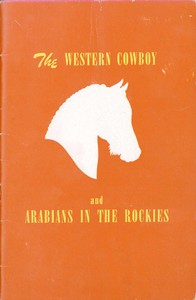
The Western Cowboy and Arabians in the Rockies Book Summary
Introduction
The book The Western Cowboy and Arabians in the Rockies, available on Project Gutenberg, is a historical and cultural exploration of the intersection between Western cowboy culture and Arabian horses in the Rocky Mountains. The author, known as "The Rambler," takes readers on a journey through the rugged landscapes of the Rockies, blending factual accounts with storytelling to provide a vivid portrayal of life in the region during the late 19th and early 20th centuries.
What is this book about?
This book is about the unique blend of Western cowboy culture and the introduction of Arabian horses into the Rocky Mountains. It details the adventures, challenges, and daily lives of cowboys and ranchers who worked with these horses in the rugged terrain. The narrative is enriched with historical context, personal anecdotes, and descriptions of the natural beauty of the Rockies.
Key Lessons
- Adaptability and Resilience: The cowboys and horses in the Rockies had to be incredibly adaptable and resilient to survive in the harsh and unpredictable environment. This lesson is exemplified by the cowboys' ability to work with Arabian horses, which were new to the region and required different handling techniques compared to the horses they were accustomed to.
- Cultural Exchange: The introduction of Arabian horses into the Rockies represented a significant cultural exchange. The cowboys had to learn new methods of horsemanship and integrate these horses into their existing practices, highlighting the importance of openness to new ideas and cultures.
- Respect for Nature: The book emphasizes the deep respect that cowboys and ranchers had for the natural world. Their survival depended on their understanding of the land, weather patterns, and the behavior of the animals they worked with, underscoring the importance of living in harmony with nature.
- Community and Collaboration: Life in the Rockies was challenging, and the cowboys and ranchers relied heavily on each other for support. The book illustrates how communal efforts and collaboration were essential for overcoming obstacles and thriving in such a demanding environment.
Is this book fit for me?
This book is ideal for readers who are interested in:
- Western cowboy culture and history.
- The introduction and impact of Arabian horses in the American West.
- Personal narratives and adventures set in the Rocky Mountains.
- Historical accounts of life in the late 19th and early 20th centuries.
- Stories that blend factual history with engaging storytelling.
Does it still matter today?
Yes, the themes and lessons from this book are still relevant today. The adaptability, cultural exchange, respect for nature, and importance of community are timeless values that continue to resonate in our modern world. Furthermore, the book provides valuable historical insights into the development of the American West and the role of Arabian horses in that history.
For readers interested in exploring similar themes in a contemporary context, I recommend Horse: A Novel by Geraldine Brooks. This novel weaves together historical and modern narratives, exploring the deep connections between humans and horses across different eras.
| Reading on Gutenburg | Free reading |
| Get Paperback Version on Amazon | Buy a book |
| Suggest Book : Horse: A Novel by Geraldine Brooks Book | Get on Amazon |
Conclusion
The Western Cowboy and Arabians in the Rockies offers a fascinating glimpse into a unique period in American history, where the ruggedness of the Rockies met the elegance of Arabian horses. Through the eyes of "The Rambler," readers are transported to a time when cowboys and ranchers navigated the challenges of the land with resilience and ingenuity. The book's blend of history, culture, and personal narrative makes it a compelling read for anyone interested in the American West, horse culture, or historical adventures.