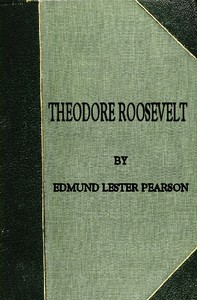
Theodore Roosevelt Book Summary
Introduction
Theodore Roosevelt stands as one of America's most consequential and colorful figures. From a sickly childhood to leading 'The Rough Riders' in the Spanish-American War, from championing conservation and antitrust policies as a 'Trust Buster' to navigating the complexities of world affairs as the nation's 22nd president, his life was a whirlwind of energy, controversy, and achievement. This book offers a comprehensive look into the mind, motivations, and tumultuous journey of this towering personality who reshaped the presidency and left an indelible mark on the American landscape and its policies.
What is this book about?
This biography delves into the extraordinary life of Theodore Roosevelt, covering his entire trajectory from his early years as a frail child who overcame poor health through sheer willpower to become one of the nation's most vigorous leaders. It explores his transformative presidency, his passionate conservation efforts that established national parks, forests, and monuments, his progressive fight against big business, his foreign policy initiatives, including the construction of the Panama Canal, and his later travels and writing. The book captures the essence of Roosevelt's 'strenuous life' philosophy, his complex character, his bouts of depression, and his enduring legacy as a forceful advocate for national progress and global engagement.
Key Lessons
This book offers several profound lessons applicable to understanding leadership, national development, and personal perseverance. One key takeaway is the power of purpose-driven action. Roosevelt's relentless energy stemmed from a deep-seated belief in using his abilities to make a positive impact. He didn't just observe problems; he actively sought solutions, whether it was regulating monopolies, conserving natural resources for future generations, or expanding America's global influence. His example teaches that channeling ambition towards constructive goals can lead to significant societal change. Another crucial lesson is the importance of courage and decisive action in the face of adversity. Roosevelt, despite personal insecurities, embraced risks, from his physical frailness that fueled his drive to lead soldiers in Cuba to his willingness to challenge powerful industrial trusts. He demonstrated that true strength often involves confronting fear and making bold choices, even when unpopular. Furthermore, the book highlights the value of informed citizenship and engagement. Roosevelt believed in the responsibility of leaders and citizens alike to understand complex issues. His presidency was marked by initiatives aimed at improving transparency and accountability, showing that effective governance requires not just executive power but also a commitment to knowledge and the common good. Finally, the narrative underscores the idea that national strength involves both power and morality. Roosevelt's foreign policy, while sometimes criticized, aimed at promoting American interests while also embedding them within a framework of international law and infrastructure development (like the Panama Canal), suggesting a complex, albeit imperfect, vision of American leadership in the world.
Is this book fit for me?
If you are interested in American history, particularly the Progressive Era and the development of modern America, this book is definitely for you. It provides essential context for understanding the foundations of modern environmental policy, the origins of the U.S. as a global superpower, and the nature of the presidency. Readers fascinated by compelling personalities – individuals who overcame obstacles or profoundly shaped their times – will find Roosevelt's story gripping. This book is suitable for anyone seeking a detailed, engaging account of a pivotal figure who embodies aspects of rugged individualism, national service, and complex legacy. It offers insights into leadership, conservation, and the evolving role of the United States in the world during a critical period of its history.
Does it still matter today?
Absolutely. Theodore Roosevelt's ideas and actions continue to resonate in the contemporary world. His emphasis on conservation remains central to environmental policy and public awareness. His advocacy for regulating big business and corporate power is highly relevant in discussions about income inequality, monopolies, and the role of government in a capitalist society. His vision of America as a 'city on a hill' and his efforts to project American power and values globally are still debated in foreign policy circles. The challenges he faced – balancing industrial growth with social responsibility, managing national resources, defining America's place in the world – echo the issues of our own time. Understanding Roosevelt deepens our appreciation for these enduring issues and the complex choices involved.
| Reading on Gutenburg | Free reading |
| Get Paperback Version on Amazon | Buy a book |
| Suggest Book : Theodore Rex Book | Get on Amazon |
Conclusion
In conclusion, this biography of Theodore Roosevelt provides not just a factual account of a remarkable man's life, but a window into a transformative period in American history. Through his actions as a reformer, conservationist, and world leader, Roosevelt fundamentally shaped the modern United States. His life story, filled with courage, ambition, and intellectual curiosity, offers timeless lessons about leadership, the power of conviction, and the ongoing struggle to balance progress with responsibility. Understanding this pivotal figure is crucial for anyone seeking to comprehend the roots of modern America and the enduring challenges of governance in a rapidly changing world. This book serves as an essential read for history enthusiasts and anyone interested in the forces that have shaped our nation. Tags : Biographies History - American