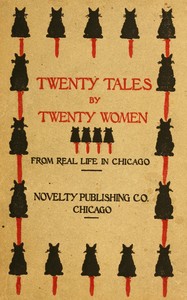
Twenty tales by twenty women: From real life in Chicago Book Summary
A Window into Early 20th-Century Chicago
"Twenty Tales by Twenty Women: From Real Life in Chicago" is a significant piece of early 20th-century literature, first published around 1910. Compiled by an anonymous author, often attributed to a group effort or a progressive publisher of the era, this collection offers a unique glimpse into the daily lives, struggles, and experiences of working-class women living in Chicago during a transformative period in American history.
Capturing Everyday Realities
The book consists of twenty short narratives, each focusing on the life of a different woman. These stories are drawn from actual events and experiences, aiming to portray the authentic situations faced by women in various occupations, relationships, and social contexts within the bustling city of Chicago. It covers a range of themes including factory work, domestic challenges, poverty, marriage, motherhood, and the subtle forms of discrimination prevalent at the time.
Key Insights from the Tales
This collection, while a product of its time, provides valuable lessons about resilience, adaptation, and the complexities of life outside the conventional narrative. Resilience in Adversity: The women depicted often faced significant hardships, from difficult working conditions and low wages to societal expectations and lack of support. Their stories demonstrate remarkable resilience and determination in navigating these challenges and maintaining their dignity. For example, tales of women working long hours in factories often highlight their perseverance despite unsafe conditions and meager pay, showing how necessity could fuel strength and endurance.
The Breadth of Women's Experiences: The book deliberately showcases a wide array of lives, moving beyond stereotypes. It includes factory workers, office clerks, housewives, and even narratives hinting at lives outside traditional female roles, offering a broader understanding of the diverse roles women played in society. This counters the often narrow view of women's lives prevalent before the modern women's rights movement, revealing the practical realities and varied aspirations of women striving for independence or simply managing daily existence.
Social and Economic Pressures: The stories implicitly explore the economic pressures that shaped women's choices and lives. Many tales illustrate how financial necessity often dictated relationships, career paths, and personal sacrifices. This provides a historical lens through which to understand the economic factors that influenced women's roles long before contemporary feminism became a mainstream movement.
The Power of Everyday Narrative: By focusing on ordinary women and their mundane yet significant struggles, the book emphasizes the importance of documenting and valuing everyday experiences. It suggests that profound social history can be found not just in grand events, but in the lived realities of the many people who make up a society, offering perspectives often overlooked by official accounts or literary elites.
Who Would Benefit?
This book is particularly suitable for readers interested in: American social history, specifically focusing on the early 20th century and the urban experience. The history of working-class life and the role of women in industrial society. Early examples of women's voices and perspectives from a historical context. Classic literature or early 20th-century writing styles. Understanding the social conditions that shaped modern feminism, even if the book predates the organized women's suffrage movement. Readers seeking diverse human stories from a specific historical period will find value here.
Enduring Relevance?
Yes, this book retains significant relevance today. While the specific economic conditions and workplace dangers depicted might differ, the underlying themes of economic struggle, gender inequality, balancing multiple roles, and the search for dignity persist. The tales offer a historical benchmark, reminding us of how far society has progressed (and sometimes regressed) in areas like workplace safety, gender equity, and women's economic independence. They provide valuable context for understanding the roots of contemporary social issues and the ongoing fight for workers' rights and gender equality. Understanding the past helps illuminate the present and shape the future.
| Reading on Gutenburg | Free reading |
| Get Paperback Version on Amazon | Buy a book |
| Suggest Book : The Women's Encyclopedia for a New Century Book | Get on Amazon |
A Historic and Humanizing Read
"Twenty Tales by Twenty Women" is more than just a historical artifact; it is a humanizing collection that brings to life the experiences of women navigating a complex and often unforgiving world. While its direct relevance might be academic or contextual for some contemporary readers, its portrayal of resilience, the diversity of women's lives, and the enduring impact of social and economic forces ensures its place as a valuable piece of early 20th-century literature. It serves as a powerful reminder of the struggles and strengths of ordinary women from a pivotal period in American history.