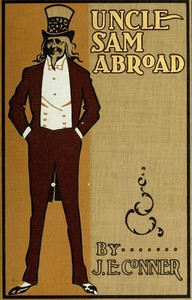
Uncle Sam Abroad Book Summary
Introduction
\nEdward P. Crapol's "Uncle Sam Abroad" offers a critical examination of American cultural, economic, and military influence around the globe. The book argues that, decades after the Cold War, the United States maintains its dominance not merely through military might, but through pervasive cultural exports and economic power. Crapol explores how American ideals, consumerism, entertainment, and military presence shape the world order, often with profound and sometimes unintended consequences. It's a look at the lasting legacy of American imperialism in the 21st century.
What is this book about?
\n"Uncle Sam Abroad" delves into the complex ways the United States exerts influence internationally beyond traditional political control. Crapol examines the subtle and overt mechanisms through which American culture (like Hollywood movies, music, and fast food), economic policies (such as trade agreements and financial systems), and military interventions shape other nations' societies and political landscapes. The book questions whether this global dominance, which began after World War II, is sustainable, desirable, or perhaps even destabilizing, and explores the challenges posed by rising powers like China. It's less about overt political domination and more about the cultural and economic soft power that defines America's current global role.
Key Lessons
\nOne central theme is the idea of American cultural imperialism, albeit in a more subtle form than historical colonialism. Crapol argues that American cultural products—such as Hollywood films, popular music, and fast-food chains—have become so ubiquitous globally that they shape local tastes, values, and even languages (like the spread of English). This cultural dominance often goes hand-in-hand with economic influence; U.S. corporations and financial institutions play a massive role in shaping economies worldwide, sometimes leading to dependency or inequality. For example, the global reach of American entertainment companies means that stories and perspectives originating from the U.S. often dominate international media landscapes.
\n\nAnother significant lesson concerns the lasting impact of American military interventions and presence abroad. Crapol details how the U.S. military's global footprint, from bases in foreign countries to military operations in various regions, shapes local politics and societies long after the initial intervention. This includes both direct consequences like instability or resentment, and indirect ones like the establishment of military infrastructure that can be repurposed. The book suggests that this military influence is a key factor in maintaining American global power and influence.
\n\nFurthermore, the book highlights the challenges to American global dominance, particularly from rising powers like China. Crapol explores how other nations are developing their own cultural, economic, and political influence, challenging the unipolar world order that the U.S. enjoyed for decades. This raises questions about the future trajectory of global power dynamics and whether American influence will continue to wane or adapt. The book also touches upon the internal debates and criticisms within the U.S. about its foreign policy and global role.
Is this book fit for me?
\nIf you are interested in understanding the complexities of U.S. global influence beyond just politics, this book is suitable for you. You will find value if you want to explore topics like:
\n- The role of American culture (movies, music, food) in shaping the world.
\n- How economic power and military presence interact with global affairs.
\n- The concept of 'soft power' and cultural imperialism in the modern era.
\n- The historical context of American global dominance since WWII.
\n- The challenges posed by other global powers and the future of international relations.
\n- Critical perspectives on American foreign policy and its consequences abroad.
Does it still matter today?
\nYes, absolutely. The dynamics explored in "Uncle Sam Abroad" are more relevant than ever. American cultural exports remain dominant globally, influencing everything from language (e.g., English as a global lingua franca) to social norms. Economic influence, particularly through institutions like the IMF and World Bank, and the power of the U.S. dollar, continue to shape international trade and finance. Furthermore, U.S. military bases and interventions remain significant factors in global politics, and the competition with China for cultural and economic influence is a defining feature of contemporary international relations. Understanding this ongoing influence and its complexities is crucial for navigating the current world order.
\n\nBecause of its enduring relevance, we suggest reading "The Shallows: The Information Landscape and Why It's Frying Our Brains" by Nicholas Carr.
\n\n\'suggest_book\' is the key for the title only.
| Reading on Gutenburg | Free reading |
| Get Paperback Version on Amazon | Buy a book |
| Suggest Book : The Shallows Book | Get on Amazon |
Conclusion
\n"Uncle Sam Abroad" provides a thought-provoking and often critical look at the multifaceted ways the United States shapes the world beyond its borders. By examining cultural, economic, and military dimensions, Edward P. Crapol paints a picture of American global influence that is both pervasive and contested. The book serves as an important resource for anyone seeking to understand the enduring legacy of American power and the challenges it faces in the 21st century. It encourages readers to look beyond headlines and consider the deep, often unseen, currents of American influence shaping our interconnected world.