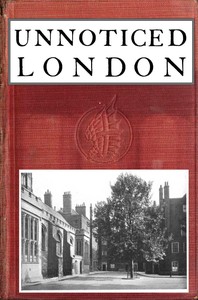
Unnoticed London Book Summary
The Power of Nature in the Urban Environment
Thomas demonstrates how even small pockets of nature within the concrete jungle profoundly affect human experience. He details walks across Hampstead Heath, not just for its scale, but for the sensory immersion— the feel of the turf, the sight of trees, the experience of walking in semi-wild conditions amidst the city's bustle. He argues that these natural escapes, however small (like a neglected corner of a park), are vital for mental well-being and provide crucial counterpoints to urban life's relentless pace and noise.
The Beauty Found in the Obscure and Neglected
The book champions the overlooked and the forgotten. Thomas finds profound beauty in places that are often considered mundane or decaying. He describes the 'sadness and loveliness' of old churchyards, the quiet dignity of stone buildings, the intricate patterns of brickwork, and the surprising resilience of nature even in neglected spots. He teaches us to appreciate the aesthetic and historical value embedded in the city's less-frequented corners, reminding us that 'beauty is not always where we look for it.'
The Human Element and Sense of Place
Thomas weaves local history, anecdotes, and observations about the people who inhabit these spaces. He connects places to their pasts, to the stories of individuals buried beneath gravestones, or to the daily routines of long-vanished trades. This creates a deep sense of place and history, showing how London is not just a physical structure but a living entity with layers of memory. His focus on specific streets, shops, and trades highlights the human connections and small-scale interactions that give the city its texture and soul.
The Importance of Slowing Down and Observing
Central to Thomas's approach is the need to slow down in the face of urban life. He contrasts the hurried, goal-oriented existence of many Londoners with the value of simply 'being' in a place, taking the time to notice details, to observe quietly and without agenda. Unnoticed London is fundamentally an exercise in mindfulness applied to the urban environment, advocating for a deliberate act of looking and listening that reveals a world previously unseen.
- If you appreciate lyrical, evocative writing and enjoy meditative, reflective prose.
- If you are interested in urban exploration, cityscapes, or the relationship between humans and their built environment.
- If you enjoy reading about history, nature, and the human story embedded in everyday places.
- If you are looking for a book that encourages a different way of seeing and experiencing a familiar place like London.
- If you are interested in Edward Thomas's work beyond his poetry.
Yes, Unnoticed London absolutely still matters today. The themes Thomas explored—finding beauty in overlooked details, the importance of nature within urban settings, the value of slowing down in a fast-paced world, and the preservation of history and sense of place—are more relevant than ever. Modern cities face similar challenges of density, disconnection, and the loss of green spaces. The book serves as a timeless reminder and a valuable historical perspective on London's evolving landscape and the enduring human need for quiet observation and connection to nature and history.
| Reading on Gutenburg | Free reading |
| Get Paperback Version on Amazon | Buy a book |
| Suggest Book : London Fields Book | Get on Amazon |
In essence, Unnoticed London is a masterpiece of quiet observation and deep reflection. Edward Thomas crafted a guide to seeing London differently, urging readers to look beyond the obvious and find wonder in the mundane. It remains a rewarding exploration of urban life, nature, history, and the simple act of paying attention, offering timeless insights for anyone curious about the spaces we inhabit and the stories they hold.