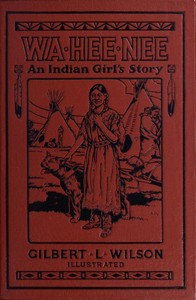
Waheenee: An Indian Girl's Story Book Summary
Waheenee: An Indian Girl's Story is a captivating autobiography of a Hidatsa woman named Waheenee, also known as Buffalo Bird Woman. Narrated to anthropologist Gilbert L. Wilson, this book provides a unique and intimate glimpse into the life of a Native American woman in the late 19th and early 20th centuries. The story is set in the Missouri River region of North Dakota and offers valuable insights into the traditions, customs, and daily life of the Hidatsa people before their way of life was dramatically altered by the encroachment of European settlers.
Waheenee: An Indian Girl's Story is about the life of Waheenee, a Hidatsa woman who shares her experiences growing up in a traditional Native American community. The book covers her childhood, family life, marriage, and the challenges faced by her people as their way of life is disrupted by the arrival of European settlers. It provides a detailed account of the customs, beliefs, and daily activities of the Hidatsa, including their agricultural practices, social structures, and spiritual beliefs.
1. The Importance of Community and Family: Waheenee's story highlights the central role of family and community in Hidatsa life. The community worked together to build homes, plant and harvest crops, and support one another in times of need. Family ties were strong, and children were taught the skills and values necessary to contribute to the community from a young age.
2. Adaptation and Resilience: The Hidatsa people demonstrated remarkable adaptability in the face of changing circumstances. They adjusted their agricultural practices to the seasons and environment, and they were skilled at using natural resources to meet their needs. When faced with the challenges brought by European settlers, they showed resilience and a willingness to adapt to new realities.
3. Cultural Preservation: Waheenee's narrative serves as a valuable record of Hidatsa culture and traditions. By sharing her story, she helps to preserve the knowledge and practices of her people for future generations. This highlights the importance of documenting and preserving cultural heritage, especially in the face of cultural assimilation and loss.
4. The Impact of Colonialism: The book also sheds light on the devastating impact of European colonization on Native American communities. The arrival of settlers led to the loss of land, resources, and traditional ways of life. Waheenee's story serves as a reminder of the resilience of Indigenous peoples in the face of such challenges.
This book is a good fit for readers interested in:
- Native American history and culture
- Autobiographies and personal narratives
- Historical accounts of life in the American West
- The impact of colonialism on Indigenous communities
Yes, Waheenee: An Indian Girl's Story still matters today. It provides valuable insights into the history and culture of the Hidatsa people and serves as a testament to their resilience in the face of adversity. The book also raises important questions about the impact of colonialism and the importance of preserving cultural heritage.
| Reading on Gutenburg | Free reading |
| Get Paperback Version on Amazon | Buy a book |
| Suggest Book : Braiding Sweetgrass: Indigenous Wisdom, Scientific Knowledge, and the Teachings of Plants by Robin Wall Kimmerer Book | Get on Amazon |
Waheenee: An Indian Girl's Story is a powerful and moving account of the life of a Hidatsa woman. It offers a unique perspective on Native American history and culture, and it serves as a reminder of the resilience and adaptability of Indigenous peoples. The book is a valuable resource for anyone interested in learning more about the history and culture of the Hidatsa people and the impact of colonialism on Native American communities.