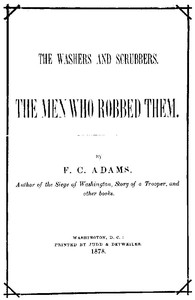
"White man bery unsartin": "Nigger haint got no friends, no how"; the blackest chapter in the history of the Republican Party; the men who robbed and combined to rob the freedmen of their hard earnings. Book Summary
"White Man Bery Unsartin" is a book that delves into the post-Civil War era, focusing on the experiences of freedmen and the challenges they faced. The book explores themes of racial discrimination, political corruption, and economic exploitation, highlighting the struggles of African Americans during Reconstruction.
This book is about the harsh realities faced by freedmen after the Civil War, particularly the betrayal by the Republican Party and the exploitation by white men who took advantage of their lack of resources and political power. It highlights the systemic racism and corruption that prevented African Americans from achieving true freedom and equality.
- Systemic Oppression: The book illustrates how systemic oppression and racism continued to affect African Americans even after the abolition of slavery. Freedmen were denied basic rights and opportunities, and their efforts to build a better life were often thwarted by white supremacists and corrupt politicians.
- Betrayal by the Republican Party: The Republican Party, which had initially championed the cause of African Americans, eventually abandoned them in favor of political expediency. This betrayal left freedmen vulnerable to exploitation and violence.
- Economic Exploitation: Freedmen were often cheated out of their hard-earned money and land by white men who took advantage of their lack of education and legal protections. This economic exploitation further entrenched their poverty and dependence.
- Resilience and Resistance: Despite the overwhelming challenges, African Americans demonstrated remarkable resilience and resistance. They formed communities, sought education, and fought for their rights, laying the groundwork for future civil rights movements.
This book is fit for you if you are interested in:
- Understanding the complexities of the Reconstruction era and its impact on African Americans.
- Exploring the historical roots of systemic racism and economic exploitation.
- Learning about the resilience and resistance of African Americans in the face of adversity.
- Gaining insights into the political dynamics of the post-Civil War United States.
Yes, this book still matters today because it sheds light on the historical context of racial inequality and systemic oppression that continue to affect American society. Understanding these historical events is crucial for addressing current issues of racial injustice and working towards a more equitable future.
Next book to read: "The New Jim Crow: Mass Incarceration in the Age of Colorblindness" by Michelle Alexander. This book explores the modern manifestations of racial discrimination in the criminal justice system, drawing parallels to the historical injustices discussed in "White Man Bery Unsartin".
| Reading on Gutenburg | Free reading |
| Get Paperback Version on Amazon | Buy a book |
| Suggest Book : The New Jim Crow: Mass Incarceration in the Age of Colorblindness Book | Get on Amazon |
"White Man Bery Unsartin" is a powerful exploration of the struggles faced by African Americans during the Reconstruction era. It highlights the systemic racism, political betrayal, and economic exploitation that characterized the period, while also celebrating the resilience and resistance of the freedmen. This book is a valuable resource for anyone seeking to understand the historical roots of racial inequality in the United States.