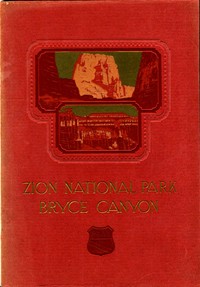
Zion National Park, Bryce Canyon, Cedar Breaks, Kaibab Forest, North Rim of Grand Canyon Book Summary
Introduction
This summary explores a book dedicated to four magnificent protected areas in the United States: Zion National Park, Bryce Canyon, Cedar Breaks, and the North Rim of Grand Canyon, plus the surrounding Kaibab Forest. Authored by a former director of the National Park Service, the book offers a unique perspective, blending personal experience with historical context to paint a vivid picture of these landscapes and their conservation significance.
What is this book about?
The book is a personal and historical account of four distinct but geographically related areas in Utah and Arizona. It takes readers on a journey through these parks and the adjacent Kaibab National Forest, focusing on their natural beauty, geological formations (like the unique hoodoos of Bryce Canyon), diverse ecosystems, and the ongoing efforts to preserve them. Written by someone deeply involved in their stewardship, it combines firsthand observations, historical anecdotes, and insights into the challenges of managing these natural treasures for future generations. The narrative often reflects on the changing relationship between humans and the wild places they now protect.
Key Lessons
The book provides valuable insights into the history and philosophy of national park management in America:
1. The Evolution of Conservation Thought: The author, drawing from their NPS experience, explains how the understanding of parks has shifted. Early management focused heavily on preservation and protection from human impact, sometimes leading to interventions that weren't fully understood (like the controversial efforts to eradicate predators for the Kaibab deer). The book implicitly highlights the learning curve in conservation, moving towards a more balanced approach that considers ecological health alongside visitor experience.
2. The Unique Nature of Protected Areas: It vividly portrays the distinct character of each location—Zion's dramatic canyons and narrows, Bryce Canyon's vast amphitheater of hoodoos, Cedar Breaks' similar but less crowded geological wonders, and the North Rim's remoteness and high elevation. It underscores the importance of these specific features and the challenges of protecting such diverse landscapes under a single management mandate. The adjacent Kaibab Forest demonstrates the broader context, including the complexities of managing forests for multiple uses.
3. Human Impact and Stewardship: The narrative consistently reminds readers that these parks are not untouched wilderness but areas deeply affected by human presence (even if indirect). It stresses the responsibility that comes with designation—managing visitation, mitigating environmental damage, and preserving resources for future enjoyment. It showcases the dedication of park rangers and scientists in this stewardship role.
Is this book fit for me?
If you are:
- A lover of the American West, hiking, or nature photography.
- Interested in the history of conservation and national parks in the United States.
- Curious about the human stories behind managing vast, protected natural areas.
- Seeking a vivid description of these specific parks beyond typical guidebooks.
- A student or enthusiast wanting an insider's perspective on park management challenges.
Then this book is likely a good fit. It offers a blend of travelogue, history, and personal reflection from someone with direct involvement in park management.
Does it still matter today?
Absolutely. The book's themes are profoundly relevant. The debates over resource management, visitor impact, the balance between conservation and recreation, and the definition of wilderness continue to shape park policies. Understanding the historical context and the philosophical underpinnings of our national parks, as explored in this book, is crucial for appreciating the ongoing challenges and making informed decisions about their future. The lessons learned from past successes and mistakes inform contemporary conservation efforts.
Because the book offers historical context and foundational principles that are still being navigated, I suggest reading "The True Story of the Keweenaw Wolf" by O. E. Barrows.
| Reading on Gutenburg | Free reading |
| Get Paperback Version on Amazon | Buy a book |
| Suggest Book : The True Story of the Keweenaw Wolf Book | Get on Amazon |
Conclusion
In conclusion, this book serves as both a beautiful tribute to the natural grandeur of Zion, Bryce Canyon, Cedar Breaks, the North Rim of the Grand Canyon, and the Kaibab Forest, and a thoughtful reflection on the stewardship required to protect them. Written by an insider, it offers unique insights into the history and philosophy behind these cherished national treasures, making it a valuable read for anyone interested in the American landscape, conservation history, or simply appreciating these magnificent places through a more informed lens.