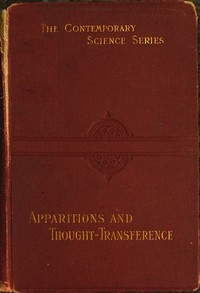
Apparitions and thought-transference: an examination of the evidence for telepathy Book Summary
Introduction
This book examines the claims of telepathy and apparitions through a lens of skepticism, questioning the validity of evidence presented for these phenomena. Authored by a figure known for his debunking of spiritualist frauds, the work applies critical thinking and scientific methodology to paranormal assertions.
What is this book about?
'Apparitions and thought-transference' is a critical analysis of evidence purported to demonstrate paranormal abilities, specifically telepathy and the appearance of deceased individuals' images. The author, leveraging his experience as a performer and investigator, scrutinizes numerous cases and testimonials. The central thesis challenges the existence of these phenomena by pointing out flaws in the evidence, lack of reproducibility, and alternative explanations (like trickery or psychological factors) that align with natural laws rather than supernatural ones.
Key Lessons
The book imparts several key lessons regarding skepticism and the scientific method applied to the paranormal:
1. The Burden of Proof: It emphasizes that extraordinary claims, such as telepathy or communication with the dead, require extraordinary evidence. Often, the evidence presented is anecdotal, subjective, and fails rigorous testing or independent verification.
2. Methodological Rigor is Essential: The author argues that genuine scientific investigation must be meticulous. This includes controlled experiments, double-blind procedures, and the elimination of all possible natural explanations (like suggestion, fraud, or sensory leakage) before attributing phenomena to the paranormal.
3. The Role of Psychology: The book suggests that many phenomena attributed to telepathy or apparitions can be explained by psychological processes. These include suggestion, imagination, misinterpretation of ambiguous stimuli, and the power of belief. Understanding human psychology is crucial for debunking paranormal claims.
4. Questioning Anecdotal Evidence: While personal experiences are compelling to individuals, the book cautions against accepting them as proof. Anecdotes are often unreliable due to memory distortion, expectation effects, and confirmation bias. Replicable, controlled evidence is paramount.
5. The Danger of Wish Fulfillment: It highlights how beliefs in the paranormal can serve psychological needs, offering comfort, meaning, or explanations for the unknown, sometimes leading to confirmation bias where evidence supporting the belief is sought out and inconsistencies ignored.
Is this book fit for me?
If you are interested in:
- Skepticism and critical thinking
- The history of science and psychology
- Debunking paranormal claims
- The intersection of psychology and superstition
- The philosophy of science and methodology
- The life and work of Harry Houdini
This book is highly relevant. It provides a foundational text for skeptical inquiry into the paranormal and offers valuable insights into the nature of evidence and belief.
Does it still matter today?
Yes, absolutely. While belief in the paranormal persists, and new phenomena (like alleged remote viewing or consciousness influencing matter) emerge, the core principles of this book remain profoundly relevant:
1. Critical Thinking Toolkit: The methods Houdini championed (rigorous testing, questioning assumptions, seeking alternative explanations) are essential tools for navigating the vast amount of information available today, from pseudoscience to conspiracy theories.
2. Understanding Human Nature: The insights into how psychology explains paranormal beliefs help us understand why people are drawn to such ideas despite contradictory evidence.
3. Evaluating Claims: The framework for evaluating evidence presented in the book is crucial for assessing any extraordinary claim, not just paranormal ones, in fields ranging from medicine to technology.
Because of its enduring value in promoting skeptical inquiry and critical thinking, we suggest reading a more contemporary work on similar themes.
Suggested Book: "Thinking, Fast and Slow"
Reason: This book by Daniel Kahneman delves into the cognitive biases and psychological mechanisms that often underpin irrational beliefs and decision-making, including those that might lead people to accept paranormal claims. It complements Houdini's work by explaining *why* such beliefs are so persistent and appealing, providing a modern perspective on the psychological landscape Houdini navigated.
| Reading on Gutenburg | Free reading |
| Get Paperback Version on Amazon | Buy a book |
| Suggest Book : Thinking, Fast and Slow Book | Get on Amazon |
Conclusion
'Apparitions and thought-transference' remains a classic and important work. Harry Houdini, far from being a simple entertainer, was a dedicated investigator who applied scientific principles to expose fraud and pseudoscience. His book serves as a powerful reminder that claims without verifiable evidence should be treated with skepticism. While the specific phenomena he addressed may not be the focus of current scientific research, the book's emphasis on rigorous methodology, psychological insight, and the dangers of accepting unproven claims continues to resonate and educate readers interested in rational thought, the scientific process, and the enduring human quest (and tendency) to explain the inexplicable. Tags : Philosophy & Ethics Psychiatry/Psychology Religion/Spirituality/Paranormal