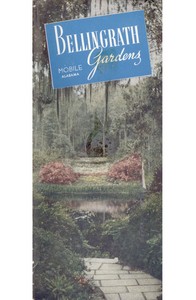
Bellingrath Gardens, Mobile, Alabama Book Summary
Introduction
Bellingrath Gardens, Mobile, Alabama is a charming gardening guide published in the 1940s. Authored by Mildred B. Latta, it captures the practical wisdom and aesthetic sensibilities of Southern landscape design from that era. While perhaps quaint to modern readers, the book offers a valuable glimpse into how gardens were conceived, planned, and cared for in the American South during a period when formal gardening knowledge was often passed down through generations or learned from print resources.
What is this book about?
The book serves as both a practical manual and an aesthetic guide for Southern gardeners. It covers fundamental aspects of gardening relevant to the Mobile-Alabama region, including site selection, soil preparation, plant hardiness (with a focus on native and adaptable species suitable for the deep South), landscape design principles, propagation techniques, and specific care instructions for various plants. It reflects the gardening philosophies and common practices of the time, emphasizing structure, seasonal color, and the integration of gardens into the architectural landscape of the South.
Key Lessons
1. The Importance of Site and Soil: The book stresses understanding the specific conditions of your garden site—sunlight exposure, drainage, and soil type—as the foundation for successful gardening. It advocates for improving soil structure and fertility using methods common in the era, often involving generous organic matter (like decomposed leaves or yard waste) tailored to the Southern climate. It emphasizes choosing plants suited to the site's conditions rather than forcing inappropriate plants to thrive.
2. Southern Landscape Design Principles: Bellingrath Gardens champions the use of established, well-behaved plants that offer reliable seasonal interest. It emphasizes creating structure through architectural elements (like shrubs and small trees) and focal points. Lessons include using color strategically, often suggesting a limited palette to avoid visual clutter, and ensuring plants have appropriate height, texture, and bloom time. It values year-round interest, not just flowers, through foliage, berries, and bark.
3. Practical Plant Selection and Adaptation: While providing lists of suitable plants, the guide focuses on reliability and performance in the challenging Southern climate. It advises selecting plants proven to thrive locally, considering factors like heat tolerance, humidity, and soil pH. Lessons include understanding the specific needs of different plant families and choosing hybrids or varieties known for their disease resistance and adaptability to Southern conditions.
4. Basic Propagation and Sustainable Gardening (for the time): The book includes practical advice on propagating plants from cuttings and seeds, promoting self-sufficiency to some extent. While perhaps less emphasis on 'organic' or 'eco-friendly' practices than modern standards, it encourages using home-grown plants and appreciating the natural resources available in the garden ecosystem.
Is this book fit for me?
This book is particularly suitable for:
- Gardeners interested in the history of Southern gardening and landscape design.
- Those seeking foundational principles of landscape design, even if applied differently today.
- Readers curious about plant choices appropriate for warmer, humid climates similar to the American South.
- Anyone wanting to understand gardening practices and philosophies from a specific historical period.
- Local gardeners in Alabama or similar climates looking for historical context, though they should cross-reference with modern resources for safety and effectiveness.
Does it still matter today?
Yes, Bellingrath Gardens retains value today, primarily as a historical document and source of inspiration. The fundamental principles of understanding your site, selecting appropriate plants, and considering design structure remain relevant. It offers a nostalgic view of gardening aesthetics and plant choices that might appeal to those with a similar style. However, some specific advice regarding plant varieties (which may have been short-lived or problematic by modern standards), pest control methods (potentially outdated), and soil amendments needs careful consideration and updating with current horticultural knowledge.
Because of its historical nature and some potentially dated advice, consider reading 'The Well-Tempered Garden: A Natural History of Plant Propagation' by Margaret J. McFarland. This book provides a fascinating look at the history and science of plant propagation, offering a different perspective on plant origins and breeding, complementing the practical Southern gardening focus of Bellingrath Gardens with a broader historical context.
| Reading on Gutenburg | Free reading |
| Get Paperback Version on Amazon | Buy a book |
| Suggest Book : The Well-Tempered Garden: A Natural History of Plant Propagation Book | Get on Amazon |
Conclusion
In conclusion, Bellingrath Gardens, Mobile, Alabama offers a delightful and informative snapshot of gardening in the American South during the mid-20th century. It provides practical advice, aesthetic guidance, and a wealth of historical plant information. While readers should approach some specifics with awareness of modern horticulture, its enduring charm lies in its clear, earnest tone and its celebration of the beauty and bounty achievable through thoughtful gardening in the Southern landscape. It remains a valuable resource for appreciating the evolution of gardening practices and styles.