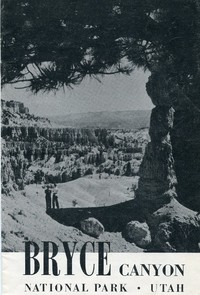
Bryce Canyon National Park, Utah (1952) Book Summary
An Early Voice in Park Literature
Published in 1952, Bryce Canyon National Park, Utah is one of the earlier books dedicated specifically to describing and interpreting the unique features of this iconic national park. Written by a member of the National Park Service, it captures the essence of the park during a formative period of its development and management.
A Detailed Portrait of a Wonders-to-See Destination
This book serves as a comprehensive guide and appreciation piece for Bryce Canyon. It details the park's geography, geology, flora, fauna, and the visitor experience. The author provides descriptions of the major attractions like the Amphitheater, Fairyland, Navajo Loop, and the various trails, aiming to educate readers about the natural and historical significance of the area. It's written from the perspective of someone deeply familiar with the park, offering insights into its management and the experience of visiting before the park became as crowded as it might be today.
Key Insights from the Book
The Profound Beauty of Nature's Design: The book masterfully conveys the sense of wonder inspired by Bryce Canyon. It emphasizes the unique geological formations – the intricate hoodoos – and how they, combined with the high-desert climate and vibrant autumn colors, create an almost otherworldly landscape. The author doesn't just describe the sights but evokes the feeling of awe and discovery that a visitor might experience, teaching readers to appreciate the subtle beauty and grandeur of natural landscapes.
The Value of Interpretation and Education: Written by a Park Service employee, the book demonstrates the importance of interpretive work in national parks. It goes beyond simple directions to provide context – explaining how the hoodoos were formed by frost wedging and erosion, highlighting the ecological zones, and mentioning the history of exploration and establishment of the park. This approach educates visitors and fosters a deeper connection and respect for the park, showing how understanding enhances appreciation.
A Window into Park Management and Early Tourism: The book offers a fascinating glimpse into the challenges and priorities of park management in the mid-20th century. It describes facilities, regulations, and the visitor flow of the time, providing historical context for how the park evolved. This teaches readers about the relationship between park authorities and visitors, the balance between accessibility and preservation, and how human interaction shapes natural landscapes over time.
The Enduring Appeal of Wilderness Experience: Despite being written decades ago, the book captures the timeless draw of experiencing wilderness. It emphasizes the contrast between the park's rugged beauty and the comforts provided by the Park Service, highlighting the rejuvenating effect of nature. This lesson underscores the fundamental human need for connection with wild places as a source of inspiration and perspective.
Who Should Read This Book?
This book is ideal for:
- History Buffs: Those interested in the early days of national park management and the development of Bryce Canyon specifically.
- Nature and Landscape Enthusiasts: Readers who appreciate detailed descriptions of natural beauty and geological formations.
- Travelers Visiting Bryce Canyon: As a nostalgic trip back to the park's mid-century character, offering a different perspective than modern guidebooks.
- Students of Environmental History: For its insights into how parks were perceived and managed in the 1950s.
- Those interested in Conservation History: To understand the early conservation ethos and the role of the Park Service.
Does It Still Matter?
Yes, this book still holds value today. While a product of its time, it remains a valuable historical document offering a unique perspective on Bryce Canyon. Its detailed descriptions of the geology and natural features are still accurate and useful for understanding the park's landscape. More importantly, it provides a window into the evolving relationship between people and wild places, the history of park interpretation, and the changing nature of tourism. It serves as a reminder of how parks were viewed and experienced in the past, offering context for their current state and the ongoing conversation about conservation and visitor management.
| Reading on Gutenburg | Free reading |
| Get Paperback Version on Amazon | Buy a book |
| Suggest Book : Bryce Canyon: A Natural and Cultural History Book | Get on Amazon |
In Conclusion
Bryce Canyon National Park, Utah (1952) is a concise but rich volume that offers both practical information and profound appreciation for one of America's most distinctive landscapes. While perhaps not the most current guide, its historical perspective, detailed natural descriptions, and insights into early park life make it a worthwhile read for anyone interested in the park's past, its unique geology, or the history of national park interpretation. It provides a valuable snapshot of a special place at a formative moment in its history.