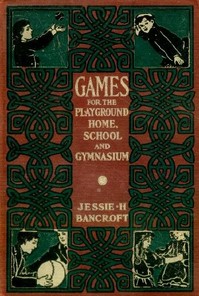
Games for the Playground, Home, School and Gymnasium Book Summary
Published in 1903, Games for the Playground, Home, School and Gymnasium by Elizabeth M. Bryant and Henry B. Curtis offers a fascinating glimpse into the recreational landscape of the early 20th century. It's a surprisingly comprehensive collection, reflecting a Victorian-era emphasis on structured play and character building through physical activity. While the language and some of the games feel dated, the book reveals a lot about the social values and educational philosophies of the time.
This book is essentially a massive catalog of games, categorized by location (playground, home, school, gymnasium) and the type of activity (running, ball games, quiet games, etc.). It’s not a narrative or a theoretical treatise on play; instead, it’s a practical guide for teachers, parents, and anyone responsible for organizing recreational activities for children. Each game is described with clear instructions, often including variations to suit different age groups and skill levels. The authors aim to provide a diverse range of options to keep children engaged, physically active, and to foster positive social interactions.
One of the most striking aspects of the book is its emphasis on the educational value of play. Bryant and Curtis don’t present games simply as fun diversions. They believe that carefully selected games can teach valuable lessons in cooperation, leadership, strategy, and self-control. For example, games like ‘Prisoner’s Base’ aren’t just about running and tagging; they’re framed as opportunities to develop quick thinking, teamwork, and a sense of fair play. This reflects a broader Progressive Era belief in learning through experience.
The book also highlights the importance of adapting games to the specific needs and abilities of children. The authors consistently offer modifications for different age groups and physical limitations. They understand that a game that’s challenging and enjoyable for one child might be frustrating or impossible for another. This emphasis on inclusivity, though perhaps not framed in those terms at the time, is a valuable takeaway. They suggest simplifying rules for younger children or providing alternative roles for those who aren’t as physically adept.
Another key theme is the role of play in promoting physical health and development. In an era before widespread access to organized sports, the playground and school gymnasium were crucial spaces for children to get exercise. The book includes a wide variety of running games, jumping games, and ball games designed to build strength, agility, and coordination. The authors also stress the importance of proper form and technique to prevent injuries, demonstrating a surprisingly modern awareness of sports safety. They detail how specific movements in games contribute to overall physical well-being.
Finally, the book demonstrates a strong belief in the power of structured play to prevent mischief and promote good citizenship. The authors argue that providing children with positive and engaging recreational opportunities will keep them out of trouble and instill in them a sense of responsibility and respect for others. Games are presented as a way to channel children’s energy in constructive ways and to teach them the importance of following rules and working together. This reflects a Victorian concern with social order and moral development.
This book is ideal for:
- Historians of education and recreation: It provides a unique window into the past.
- Teachers and youth group leaders: While some games are dated, many of the underlying principles of game design and facilitation are still relevant.
- Parents looking for screen-free activities: You might find some inspiration for simple, classic games to play with your children.
- Anyone interested in the social history of the early 20th century: The book reveals a lot about the values and beliefs of the time.
Yes, despite its age, the book still matters today. Its core principles – the educational value of play, the importance of adapting activities to individual needs, and the role of play in promoting physical and social development – remain highly relevant. However, the specific games themselves often feel outdated or even problematic by modern standards (some involve elements of competition that could be considered overly aggressive). The book serves as a valuable reminder that play isn't just about fun; it's a fundamental part of human development.
| Reading on Gutenburg | Free reading |
| Get Paperback Version on Amazon | Buy a book |
| Suggest Book : Playful Parenting Book | Get on Amazon |
Games for the Playground, Home, School and Gymnasium is a fascinating historical document that offers valuable insights into the world of play in the early 20th century. While not a practical guide for modern game organizers in its entirety, its underlying principles continue to resonate and remind us of the enduring importance of play in the lives of children.