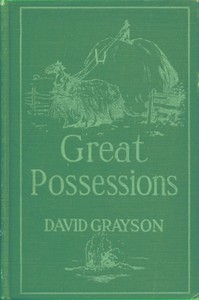
Great Possessions Book Summary
Introduction
"Great Possessions" is a book published in 1908 that delves into the often-overlooked value of spiritual and intellectual wealth compared to material wealth. Written from a distinctly Victorian perspective, the author challenges the prevailing notion of the time that acquiring possessions equates to greatness. Instead, the book argues that true richness lies in simplicity, the cultivation of the mind, and the development of one's character and spirit. It's a gentle critique of materialism that remains thought-provoking for readers interested in timeless philosophical questions about wealth and its meaning.
What is this book about?
"Great Possessions" explores the concept of value beyond physical goods. The author posits that while material possessions are necessary for comfort and security, they cannot satisfy the deeper longings of the human soul. The book emphasizes that genuine greatness and lasting happiness come not from accumulating wealth, but from seeking knowledge, practicing self-discipline, cultivating inner qualities like charity and wisdom, and finding joy in simplicity and spiritual pursuits. It examines the fleeting nature of material satisfaction and the enduring nature of spiritual richness. The text encourages readers to reassess their priorities and consider what truly constitutes a "great" possession in life.
Key Lessons
1. Materialism is Unsatisfying: The central theme is that accumulating possessions offers only temporary gratification. A Victorian-era example might be the immense wealth of industrialists, who, despite their riches, often lacked peace or true contentment. The book suggests that the relentless pursuit of more goods leads to a cycle of desire that never brings lasting fulfillment.
2. The Value of Simplicity: The author champions simplicity as a path to greatness. This means living modestly, avoiding unnecessary luxury, and focusing on essentials. By simplifying one's life, one frees up time and mental energy for pursuits like reading, contemplation, or community service, which build true character and intellect.
3. Cultivating the Mind and Spirit: "Great possessions" refer to qualities like knowledge, virtue, and wisdom. The book strongly advocates for investing in education, self-improvement, and spiritual development (understood within the context of its time, likely including religious faith). Developing these inner qualities is portrayed as far more valuable and enduring than any external item.
4. Inner Riches Over Outer Show: There's a critique of ostentatious display for its own sake. True greatness, the book argues, is reflected in a person's character and actions, not in their ability to display wealth. Humility and genuine service to others are highlighted as superior indicators of inner richness.
Is this book fit for me?
- You are interested in classic literature or philosophical works from the late 19th/early 20th century.
- You seek timeless reflections on the nature of wealth and happiness.
- You are questioning modern consumer culture or seeking a different perspective on materialism.
- You enjoy thought-provoking essays that encourage introspection.
- You are okay with reading something written from a specific historical (Victorian) viewpoint.
The book offers a gentle and somewhat dated perspective, but its core message about finding value beyond material things can resonate with modern readers.
Does it still matter today?
Yes, in a way. While the specific cultural context (Victorian England) and the author's assumptions differ significantly from today's world, the fundamental questions the book raises about the relationship between material wealth and true fulfillment remain highly relevant. Our modern era, with its intense focus on consumerism, social media, and the pursuit of status through possessions, echoes some of the critiques "Great Possessions" offers. The book serves as a historical mirror, prompting readers to reflect on whether they prioritize experiences, relationships, personal growth, or spiritual well-being alongside or above material goods in their own lives. It encourages a critical look at societal pressures to consume and the search for meaning beyond the accumulation of things.
| Reading on Gutenburg | Free reading |
| Get Paperback Version on Amazon | Buy a book |
| Suggest Book : Bored and Confused: Why Young People Can't Find Meaning and What We Can Do About It Book | Get on Amazon |
Conclusion
"Great Possessions" is a concise, albeit dated, Victorian essay that provides a simple yet powerful framework for thinking about wealth and value. It successfully argues that true greatness lies in inner qualities and intellectual/spiritual pursuits rather than external acquisitions. While lacking the depth and contemporary relevance of more modern critiques of consumerism, its core message remains a valuable one for anyone seeking a different perspective on what constitutes a meaningful and rich life. It serves as an interesting historical piece and a gentle reminder to periodically evaluate our priorities in a world saturated with material desires.