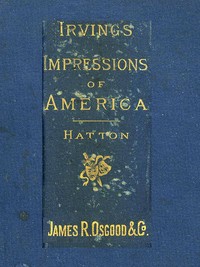
Henry Irving's Impressions of America Narrated in a Series of Sketches, Chronicles, and Conversations Book Summary
Introduction
Henry Irving, one of the most celebrated British Shakespearean actors of his time, offers his personal reflections in 'Impressions of America.' This collection of sketches, chronicles, and conversations provides a unique glimpse into his experiences touring the United States during the late 19th century. Irving, known for his theatrical brilliance, brings his keen observational skills and distinctive voice to bear on American society, culture, and character during a formative period in the nation's history.
What is this book about?
'Impressions of America' is a firsthand account by the renowned actor Henry Irving of his travels and performances across the United States. Through a series of engaging sketches, chronological notes, and anecdotes drawn from conversations with Americans and locals, Irving shares his observations and reactions to the diverse landscapes, people, customs, and burgeoning industries he encountered during his tours in the 1880s and beyond. The book captures the cultural landscape of America at a time when it was rapidly industrializing, expanding westward, and establishing its place on the world stage.
Key Lessons
1. The Power of Observation and Personal Narrative: Irving demonstrates how personal travel and direct experience can yield rich, nuanced understanding. His book is not a detached academic study but a collection of vivid, personal impressions shaped by his own background as a performer. For example, he doesn't simply list facts about American industry but shares anecdotes about visiting factories and witnessing the working conditions, offering a more human perspective than statistics alone.
2. Cultural Clash and Adaptation: A recurring theme is the contrast Irving perceived between British and American ways of life. He observes differences in manners, social customs, business practices, and the pace of life. Crucially, he doesn't just critique but also shows an attempt to understand and adapt. He reflects on how American energy and optimism, sometimes perceived negatively by a British aristocrat, intrigued him. This teaches the value of viewing other cultures with both critical eye and empathetic curiosity.
3. The American Character and Ambition: Irving, through his travels and interactions, offers insights into what he perceived as quintessential American traits: a drive for success, a pioneering spirit, and a sometimes brash or ostentatious display of wealth. He observes the rapid accumulation of wealth during America's industrial boom and comments on the national character he encountered, sometimes finding it ambitious and restless, contrasting it with the perceived stability of the British establishment. This provides a historical snapshot of how an international figure viewed American identity formation.
4. The Impact of Industrialization: Irving was struck by the visible manifestations of America's industrial power. He describes visiting places like Buffalo and witnessing the scale of industry firsthand. His observations, while colored by his own class and cultural biases, nonetheless provide valuable testimony about how the rapid industrialization was shaping the physical and social landscape of the nation he visited.
Is this book fit for me?
If you are interested in American history, particularly the late 19th century, or in the history of theater and performance, this book is definitely worth considering. It offers a unique perspective because it comes from one of the most famous actors of his era, providing insights into cross-cultural encounters and the reception of British (and specifically Irving's) theatrical art in America. It will appeal to readers who enjoy personal narratives, travelogues, and books that blend historical observation with cultural commentary. While it lacks the depth of a major historical work, it provides engaging reading that gives a sense of the America of the Gilded Age through the eyes of a distinguished foreigner.
Does it still matter today?
Yes, the book still matters, primarily as a historical document and a unique piece of cultural observation. It offers valuable primary source material for historians and students interested in the perception of America during its rapid transformation into a global industrial power. Irving's perspective, though biased, provides insight into how a prominent figure from another nation viewed American society, economy, and culture at a critical juncture. Furthermore, it serves as an early example of a celebrity offering a personal commentary on national identity and cultural differences, which remains a relevant topic. The themes of cultural exchange, national character, and the impact of industrialization are enduring subjects.
Suggest the next book to read and explain why: Given its focus on American history during the Gilded Age, a relevant next read might be The Rise of American Civilization by William James. While a more comprehensive philosophical history, it offers a contemporary (to Irving's time) American perspective on the nation's development, providing a different, more intellectual framework for understanding the same period that Irving observed from abroad.
| Reading on Gutenburg | Free reading |
| Get Paperback Version on Amazon | Buy a book |
| Suggest Book : The Rise of American Civilization Book | Get on Amazon |
Conclusion
Henry Irving's 'Impressions of America' remains a fascinating, albeit anecdotal and somewhat dated, account of the United States during a period of immense change. It offers a valuable, if not always entirely objective, window into the cultural landscape, social dynamics, and industrial marvels of late 19th-century America as seen by one of its most celebrated international figures. While not a primary source for academic history in the strictest sense, it is a compelling personal narrative that illuminates the ways in which nations were perceived and understood by contemporaries, making it a worthwhile read for those interested in American history, cultural studies, or the life of Henry Irving himself.