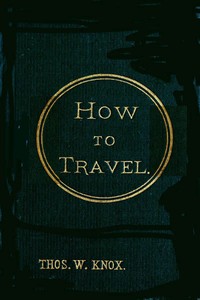
How to Travel Hints, Advice, and Suggestions to Travelers by Land and Sea all over the Globe. Book Summary
This guide covers the entire spectrum of travel planning and execution. It delves into practical matters like budgeting, selecting destinations, obtaining necessary documentation (visas, passports), planning routes, securing passage on ships or trains, and packing efficiently. Beyond logistics, the book explores the mindset required for travel, touching upon the excitement of the unknown, managing finances abroad, navigating different cultures, and appreciating the diverse experiences the world offers. It aims to be a complete manual, addressing both the tangible and intangible aspects of embarking on a journey around the globe during its time.
Comprehensive Planning is Crucial: The book emphasizes that successful travel requires meticulous preparation long before departure. This includes researching destinations thoroughly, understanding local customs and languages (or learning basic phrases), budgeting carefully for expenses which can be substantial abroad, arranging transportation meticulously, and securing necessary permissions. For example, it details how to wire money in advance or use traveler's cheques, concepts fundamental even today, though the specific methods have evolved.
Practical Packing and Equipment: A significant portion is dedicated to packing light yet effectively. Advice includes investing in sturdy, comfortable footwear suitable for various terrains, packing versatile clothing adaptable to different climates, bringing essential personal items like toothpaste and a razor (often packed in sealed containers to prevent melting), and carrying a well-stocked first-aid kit. It stresses the importance of being prepared for emergencies, such as insect bites or minor injuries, far from medical facilities.
The Value of Local Guides and Assistants: The author strongly advises travelers to seek out local guides or assistants, especially when venturing into unfamiliar territories. These individuals provide invaluable knowledge of local conditions, safe routes, customs, and even practical help with navigation or language barriers. The book presents this as a more reliable and often safer approach than attempting to navigate solely on maps and directions, highlighting the importance of human connection and local expertise in ensuring a smoother journey.
Embracing the Journey and Managing Expectations: While practical, the book also touches upon the psychological aspects of travel. It encourages travelers to embrace uncertainty and the unexpected, to be patient with delays, and to find value in adapting to new situations. It cautions against the 'tourist trap' mentality, suggesting deeper engagement with local life. However, its advice on budgeting and resource management reflects the economic realities of the early 1900s, which were vastly different from today's.
If you are interested in the history of travel literature, the evolution of travel advice, or the specific challenges and mindset of pre-World War I globetrotters, this book is highly relevant. It offers a fascinating glimpse into past travel practices and the pioneering spirit of early travelers. If you are looking for up-to-date, comprehensive travel guides covering modern transportation options, budgeting methods, safety concerns specific to today's world (like online scams or current political situations), or detailed information on booking complex itineraries, this book may not be sufficient on its own.
Yes, certain aspects of "How to Travel" still hold relevance today, though with important caveats. The fundamental principles of planning, budgeting, packing pragmatically, and valuing local knowledge remain timeless. The book's emphasis on thorough research and understanding context before traveling is still sound advice. However, much of the specific guidance regarding currency exchange (pre-international ATMs/cards), visa processes (which have become more complex and digital), modes of transport (like extensive third-class train travel which is less common now), and communication methods is outdated. The geopolitical context and safety considerations would be completely different due to world wars, political changes, and modern terrorism.
Suggested Next Book: The Art of Travel by Paul Theroux.
Reason: Theroux's book offers a different perspective on travel, blending practical advice with a critical, often cynical, exploration of the psychology of travel in the mid-20th century. It complements the historical view provided by Maitland by focusing on the experience of travel itself, including the challenges of budget travel, the nature of encounters with 'strangers', and the impact of travel on both the traveler and the places visited. It provides a more modern (though still not contemporary) take that bridges the gap between Maitland's era and today's travel landscape.
| Reading on Gutenburg | Free reading |
| Get Paperback Version on Amazon | Buy a book |
| Suggest Book : The Art of Travel Book | Get on Amazon |
In conclusion, "How to Travel" by A. Maitland is a valuable piece of historical literature offering a comprehensive, albeit dated, guide for those undertaking long journeys by land and sea. Its detailed advice on preparation, practicalities, and mindset provides fascinating insight into early 20th-century travel. While much of its specific information is no longer applicable, the underlying principles of thoughtful planning, resourcefulness, and appreciating the journey remain relevant. For a direct historical comparison focusing more on the traveler's experience and psychology, Paul Theroux's "The Art of Travel" is an excellent choice.